


If you’ve been thinking about replacing your home’s siding, 2026 is a great time to make a move. At Moss Roofing, we work with Indianapolis-area homeowners every day who want siding that looks sharp, holds up over time, and adds real value to their home. The good news? The latest siding trends deliver on all three. Whether you’re drawn to modern color palettes, low-maintenance materials, or features that work with your smart home setup, this guide breaks down what’s worth your attention.
What Siding Styles Are Popular in 2026?
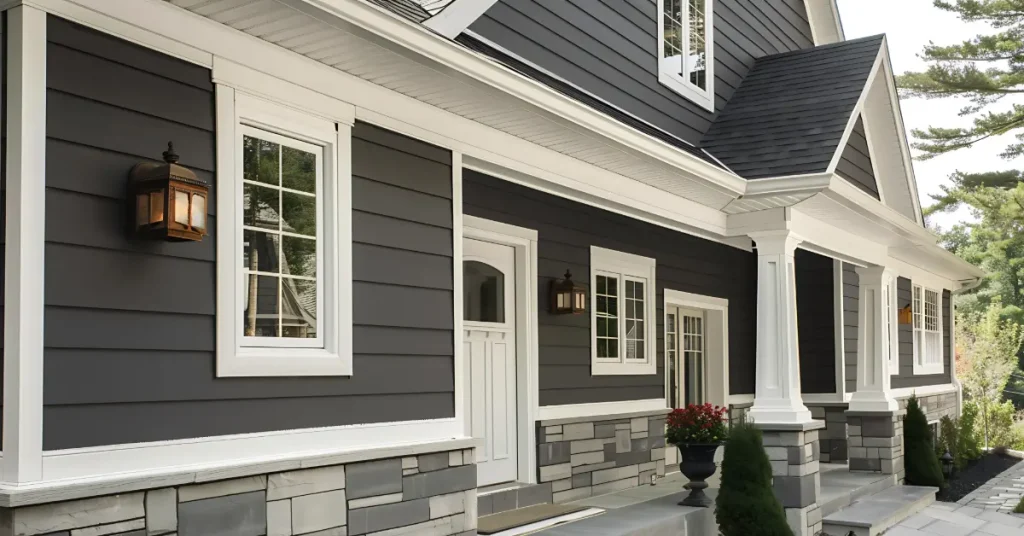
Homeowners in 2026 are leaning toward clean, modern aesthetics with a nod to natural textures. Board and batten siding continues to grow in popularity, offering a bold vertical look that works well on both newer builds and traditional homes. Horizontal lap siding remains a classic choice, especially in Indiana neighborhoods where conventional curb appeal carries real weight with buyers. Mixed-material exteriors (combining fiber cement panels with stone or brick accents) are also trending for homeowners who want a custom, high-end appearance without a full custom-build price tag. The common thread across all of these styles is intentionality: clean lines, purposeful contrast, and materials that look as good in year ten as they did on day one.
What Siding Colors Are Trending for Modern Homes?
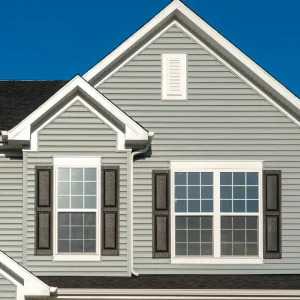
Color choices in 2026 have shifted toward earthy, grounded tones that feel both current and timeless. Deep greens, warm taupes, charcoal grays, and creamy off-whites are dominating new installs and replacement projects alike. Black and near-black exteriors continue to attract attention, particularly on homes with lighter trim and stone detailing. For Indiana homes, these darker palettes pair well with the mature tree coverage and brick accents common in established neighborhoods across Carmel, Fishers, and Zionsville. If you’re replacing your siding soon, choosing a trending but neutral palette protects your resale value while still giving your home a fresh, updated look.
Fiber Cement vs. Vinyl: Which Siding Material Is Better?
This is one of the most common questions homeowners ask, and the honest answer depends on what you’re prioritizing. Here’s a straightforward breakdown of both.
Fiber Cement vs. Vinyl Siding Comparison (2026)
| Feature | Fiber Cement Siding | Vinyl Siding |
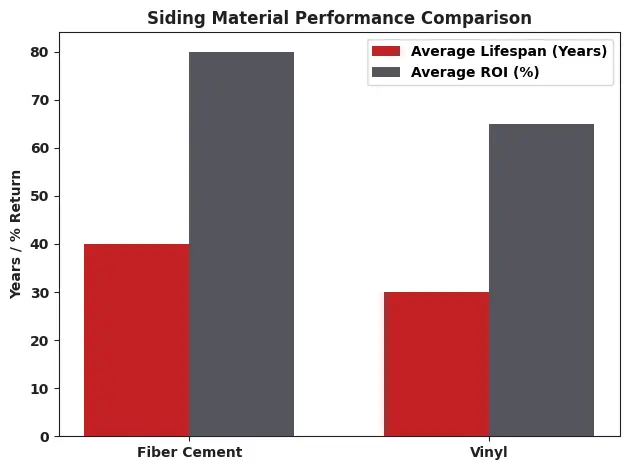
| Average Lifespan | 30–50 years | 20–40 years |
| Durability | High resistance to moisture, fire, insects, and impact | Moderate durability; may crack in extreme cold |
| Maintenance | Low maintenance; occasional repainting | Very low maintenance |
| Weather Performance | Handles freeze-thaw cycles and severe storms well | Can warp or crack during extreme temperature shifts |
| Appearance | Realistic wood-grain look and premium finish | Wide color selection but less natural texture |
| Cost Range | Mid to high investment | Lower upfront cost |
| ROI at Resale | ~76–86% average return on investment | Moderate resale impact |
| Best For | Long-term homeowners focused on durability | Budget-focused projects or shorter ownership plans |
Source: Zonda 2025 Cost vs. Value Report.
Fiber Cement Siding
Fiber cement is manufactured by combining cement and sand with reinforcing cellulose fibers. It’s one of the most durable siding materials available, having a lifespan of 30 to 50 years when properly installed and maintained. It resists moisture, insects, fire, and impact damage — all of which matter in Indiana’s climate, where temperatures swing hard between seasons. James Hardie is the leading fiber cement brand, and Moss Roofing is a certified James Hardie Elite Preferred Contractor, meaning our installation teams are factory-trained to meet the manufacturer’s highest standards.
Vinyl Siding
Vinyl siding is a budget-friendly option that has improved significantly in quality over the last decade. It requires very little maintenance, won’t rot or corrode, and comes in a wide range of colors. The downside is durability. Vinyl is more susceptible to cracking in extreme cold and fading over time from UV exposure. It has a lifespan typically ranging from 20 to 40 years, depending on the product quality and installation. For homeowners on a tighter budget who plan to sell within a decade, vinyl can still be a smart choice.
The Bottom Line on Siding Material Comparison
For most Indiana homeowners focused on long-term value, fiber cement wins the siding material comparison. It holds up better against the freeze-thaw cycles and severe storms common to central Indiana, and it tends to offer a stronger return on investment at resale.
What Is the Best Siding for Indiana Homes?
Indiana’s climate puts siding through a real workout. Hot, humid summers are followed by cold winters, frequent temperature swings, and storm seasons that bring hail, high winds, and heavy rain. The best siding for Indiana homes needs to handle all of it. Fiber cement, particularly James Hardie products, is built with the regional climate in mind. James Hardie’s HardieZone technology is engineered specifically for climates like ours, helping the material resist warping, cracking, and moisture infiltration over the long haul. Vinyl siding can work in Indiana, but it requires careful product selection. Thicker panels with higher impact ratings perform meaningfully better than standard options.
Can Siding Integrate with Smart Home Technology?
Smart home siding features aren’t about the siding panels themselves; they’re about what happens during installation and how your home’s exterior systems work together. Newer fiber cement and insulated vinyl siding products are designed to work alongside smart home upgrades like exterior sensor lighting, video doorbells, smart locks, and whole-home energy monitoring. Insulated siding options, in particular, improve your home’s thermal envelope, which helps smart thermostats operate more efficiently. When your siding is properly installed with continuous insulation, your HVAC system isn’t fighting as hard to maintain indoor temperatures, and that means the data your smart home system is working with is more accurate and actionable.
Does New Siding Increase Home Value in Indiana?
New siding is one of the home improvement projects with the most consistent return on investment. According to the 2025 Cost vs. Value report published by Zonda, fiber cement siding replacement returns between 76% and 86% of project costs at resale — consistently ranking among the top exterior improvement projects nationwide. In competitive Indianapolis-area markets like Carmel, Fishers, and Noblesville, that return can climb even higher. Beyond raw resale value, new siding improves curb appeal, which directly impacts how quickly a home sells. Buyers notice exterior condition immediately, and updated siding signals that the home has been well cared for. For homeowners planning to stay long-term, new siding also reduces ongoing maintenance costs and can lower energy bills through improved insulation.
How Often Does Siding Need to Be Replaced?
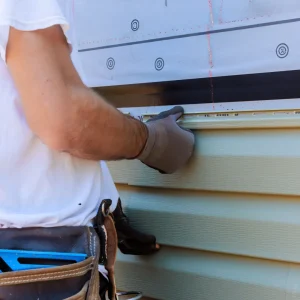
The lifespan of your siding depends heavily on the material and how well it’s been maintained. Vinyl siding often lasts 20 to 40 years. Fiber cement typically lasts 30 to 50 years or longer. Wood siding, while beautiful, usually requires replacement every 20 to 30 years due to rot and moisture vulnerability. Regardless of material, watch for these signs that it’s time to replace: warping or buckling panels, persistent moisture or mold issues, fading that paint can no longer fix, and noticeably higher energy bills that point to insulation failure. An inspection can tell you whether you’re dealing with isolated damage that can be repaired or widespread deterioration that warrants full replacement.
How Much Does Siding Replacement Cost?
Siding replacement costs vary based on material, home size, labor, and the complexity of the installation. Vinyl siding is generally the most affordable option, while fiber cement sits in the mid-to-higher range. Keep in mind that material cost is only part of the equation; installation quality matters just as much. Poorly installed siding, regardless of material, will underperform and may void manufacturer warranties. Moss Roofing offers free siding inspections for homeowners in the Indianapolis area, which is a good starting point if you’re trying to assess your current siding condition and get a realistic picture of what replacement might involve.
Ready to Upgrade Your Home’s Exterior?
Thinking about upgrading your home’s exterior? Schedule a free siding inspection with Moss Roofing to explore the best options for your home. Our team serves homeowners across Indianapolis, Carmel, Fishers, Brownsburg, Greenwood, and surrounding Central Indiana communities. We’ll give you an honest assessment and walk you through your options — no pressure, no guesswork.
Schedule Your Free Siding Inspection Today
Sources:
Zonda. (2025). 2025 cost vs. value report. Journal of Light Construction. https://www.jlconline.com/cost-vs-value/2025/


