


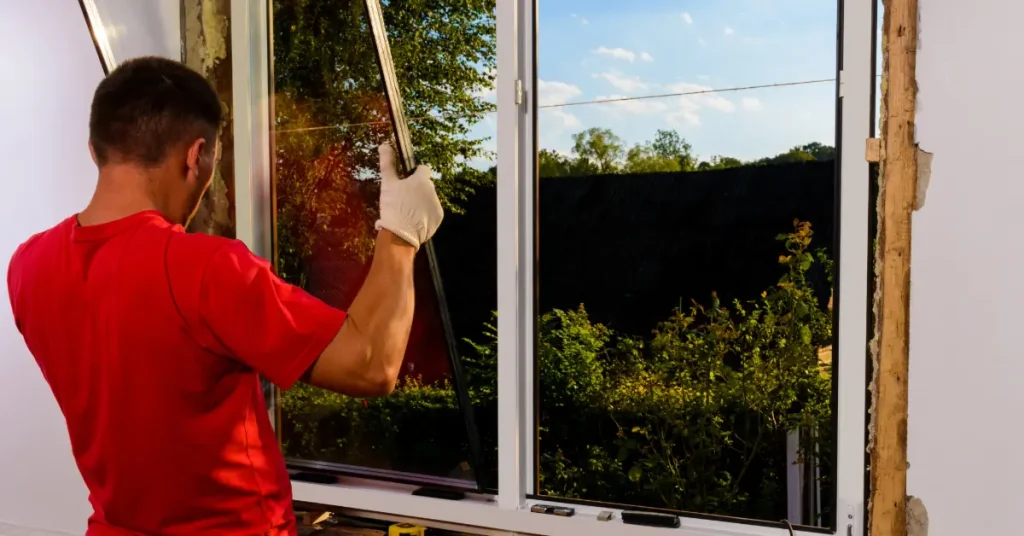
Replacing your windows is one of those home improvement projects that sounds simple until you start researching options and realize just how many decisions you’ll need to make. Whether you’re dealing with drafty rooms, condensation between glass panes, or windows that stick every time you try to open them, the team at Moss Roofing has guided countless Central Indiana homeowners through the window replacement process. The truth is, upgrading your windows involves more than picking something that looks good. You’ll need to consider materials, brands, timing, costs, and whether your current windows actually need full replacement or if repairs might solve your problems. This guide walks you through everything you need to know before making this significant investment in your home’s comfort and efficiency.
Should You Repair or Replace Your Windows?
Before diving into replacement options, figure out whether your windows truly need replacing. Not every window problem requires a full replacement. Minor issues like broken latches, damaged weatherstripping, or cracked glass can often be repaired at a fraction of replacement costs. However, certain problems signal it’s time for new windows. Visible rot in wood frames, condensation trapped between double-pane glass, difficulty opening or closing windows, and noticeable drafts even when windows are closed all point toward replacement. If your windows are over 20 years old and showing multiple issues, replacement usually makes more financial sense than pouring money into repeated repairs.
Repair vs. Replacement: Quick Decision Guide
| Issue You’re Seeing | Repair May Work | Replacement Is Smarter |
| Broken latch or hardware | ✔ | |
| Worn weatherstripping | ✔ | |
| Drafts around closed windows | ✔ | |
| Condensation between panes | ✔ | |
| Rotting or soft window frames | ✔ | |
| Windows over 20 years old with multiple problems | ✔ |
Understanding Window Material Options
The material you choose for your replacement windows affects everything from maintenance requirements to long-term performance. Each option has distinct advantages worth considering for Indiana’s climate.
Vinyl Windows
Vinyl windows dominate the replacement market for good reason. They require virtually no maintenance beyond occasional cleaning, resist moisture damage, and cost less than most alternatives. Modern vinyl formulations handle Indiana’s temperature swings without warping or cracking. The main drawback is limited color options compared to other materials, though quality vinyl windows now come in various finishes beyond basic white.
Wood Windows
Wood windows offer unmatched aesthetic appeal and excellent insulation properties. They can be painted or stained to match any home style. However, wood requires regular maintenance to prevent rot and moisture damage. In Central Indiana’s humid summers and wet springs, wood windows need consistent attention. They’re the premium option for homeowners who value traditional appearance and don’t mind the upkeep.
Composite Windows
Composite materials combine wood fibers with polymer resins to create windows that look like wood but resist moisture and decay. They’re more expensive than vinyl but require less maintenance than solid wood. Composite windows handle Indiana weather well and can be painted like wood. They’re ideal if you want wood’s appearance without the intensive maintenance commitment.
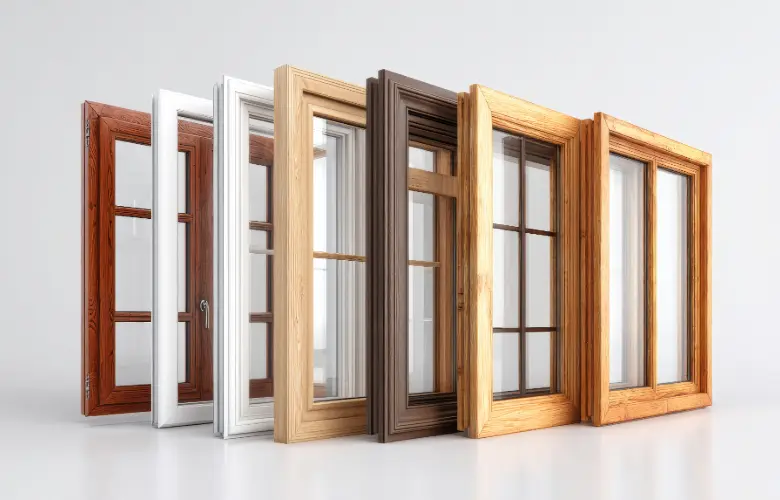
Window Material Comparison for Indiana Homes
| Window Material | Average Cost Range (Installed) | Maintenance Level | Energy Performance | Best Fit For Central Indiana Homes |
| Vinyl | $400–$800 per window | Low | Good to very good | Homeowners wanting affordability, low upkeep, and solid performance in changing temperatures |
| Wood | $700–$1,200 per window | High | Very good | Older or historic homes where appearance matters more than maintenance demands |
| Composite | $700–$1,100 per window | Medium | Very good | Homeowners who like the look of wood but want better resistance to moisture and humidity |
Comparing Top Window Brands for Indiana Homes
Three brands consistently perform well in Central Indiana’s challenging climate: Andersen, Pella, and ProVia. Each brings different strengths to the table.
Andersen Windows
Andersen offers the widest product range, from budget-friendly options to premium architectural lines. Their Fibrex material, a wood-fiber composite, performs exceptionally well in varying temperatures. Andersen windows come with strong warranties and widespread contractor familiarity. The brand’s extensive customization options work well for both standard replacements and unique architectural situations.
Pella Windows
Pella windows feature innovative technologies like between-the-glass blinds and advanced energy coatings. They’re known for smooth operation and refined aesthetics. Pella’s wood and fiberglass options handle Indiana storms and temperature fluctuations reliably. Their mid-range pricing puts them between budget vinyl options and premium custom windows.
ProVia Windows
ProVia manufactures all its windows in the Midwest, understanding regional climate challenges. Their construction quality rivals premium brands while often costing less. ProVia windows use thicker vinyl and better insulation than many competitors. Their limited lifetime warranty covers most issues homeowners encounter. Local availability through regional contractors makes service and support straightforward.
The Real Impact on Energy Bills
New windows will lower your energy bills, but homeowners should have realistic expectations about savings. Indiana’s temperature extremes mean your HVAC system works hard year-round. Old, drafty windows force your heating and cooling systems to run longer and work harder. Modern windows with Low-E coatings, argon gas fills, and improved seals reduce heat transfer in both directions. Homeowners who upgrade to ENERGY STAR® certified replacement windows can reduce their heating and cooling energy costs by up to 13% compared to older, inefficient windows (U.S. Environmental Protection Agency & U.S. Department of Energy, n.d.). The exact savings depend on your home’s insulation, HVAC efficiency, and how poor your old windows were. Windows aren’t a miracle cure for high energy bills, but they’re a significant factor. Better windows also mean more consistent room temperatures, fewer cold spots near windows in winter, and reduced HVAC wear over time.
Dealing with Drafts and Temperature Issues
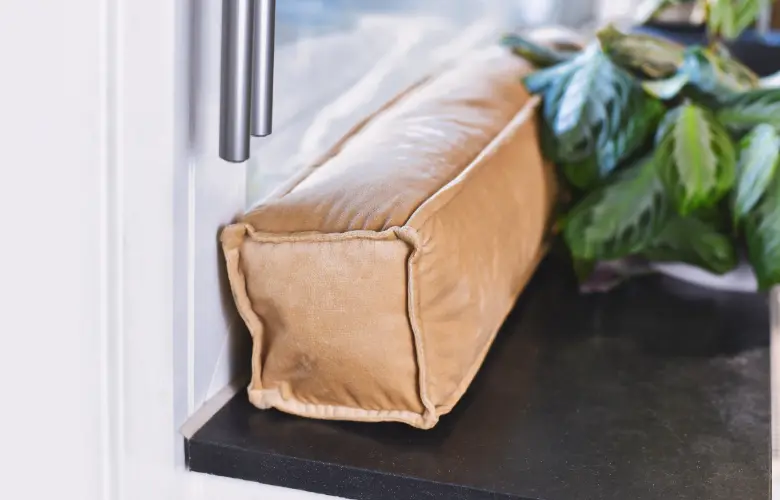
Drafty windows create uncomfortable living spaces beyond just higher energy bills. Cold air infiltration near windows makes rooms feel colder than the thermostat indicates. You compensate by turning up the heat, wasting energy and money. New windows with proper installation eliminate these drafts. Quality replacement windows include multiple weatherstripping points, tight-sealing sashes, and insulated frames that block air movement. The installation matters as much as the window itself. Poor installation leaves gaps that undermine even the best windows. Professional installers use expanding foam insulation around window perimeters and seal all penetrations. The result is consistent temperatures throughout your rooms and no more cold spots near windows during winter months.
Window Replacement Costs in Central Indiana
Window replacement costs vary based on window size, material, brand, and installation complexity. In Central Indiana, expect to pay between $400 and $800 per window for quality vinyl replacement windows with professional installation. Wood or composite windows range from $700 to $1,200 per window. Premium brands and custom sizes increase costs. A typical home replacing 10-15 windows might invest $6,000-$12,000 for the entire project. These ranges cover standard double-hung windows. Specialty shapes, bay windows, or large picture windows cost more. Labor accounts for roughly 30-40% of total project costs. Get detailed written estimates from multiple contractors to understand your specific situation. Remember that the cheapest option rarely delivers the best long-term value.
Financing Your Window Replacement Project
Moss Roofing partners with GoodLeap to offer financing options that make window replacement more accessible. Window replacement qualifies for various home improvement financing programs. Many homeowners choose financing to spread costs over manageable monthly payments rather than depleting savings. Interest rates and terms vary based on credit scores and loan amounts. Some programs offer promotional periods with deferred interest or low introductory rates. Factor monthly payments into your budget alongside expected energy savings. Financing allows you to upgrade all windows at once rather than staging the project, which often makes more sense both practically and financially.
Replacing All Windows vs. Staging Your Project
Replacing all windows at once offers several advantages despite higher upfront costs. You’ll get a consistent appearance throughout your home, deal with installation disruption just once, and often secure better pricing through volume discounts. Your home achieves maximum energy efficiency immediately rather than gradually. However, budget constraints sometimes require a staged approach. If staging makes sense for your situation, prioritize windows with the most problems first. Focus on the most-used living areas or rooms with obvious draft issues. Windows facing harsh weather directions, typically north and west in Indiana, should take priority over protected windows. Avoid replacing just one or two windows unless they’re failing critically. Aim for completing at least one full floor or side of your home to maintain visual consistency.
Permit Requirements for Window Replacement
Most window replacement projects in Central Indiana don’t require permits if you’re replacing existing windows with similar sizes and styles. However, requirements vary by municipality. Some local building departments require permits for any window replacement, while others only require them when changing window sizes or altering structural openings. Your contractor should know local requirements and handle any necessary permits as part of their service. Don’t assume permits aren’t needed without checking. Installing windows without the required permits can complicate future home sales and void manufacturer warranties. The permit process typically adds minimal cost and time to your project while protecting your investment.
What to Expect During Installation
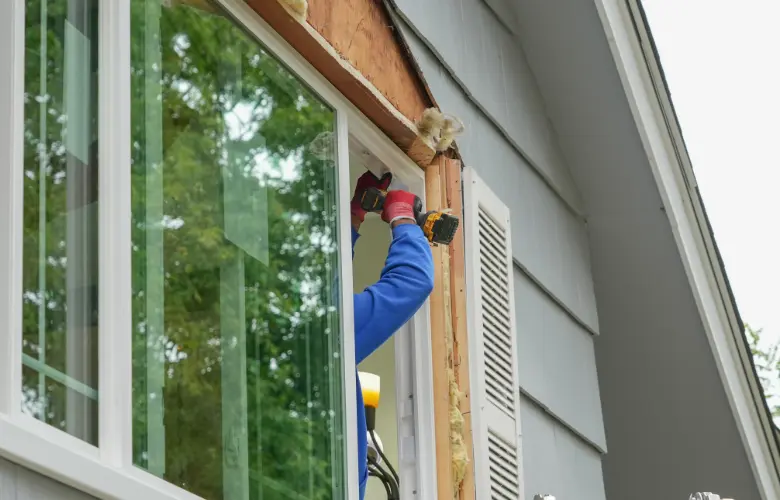
Professional window installation typically takes one to three days, depending on how many windows you’re replacing. Installers work on exterior and interior surfaces, removing old windows and installing new ones, room by room. Expect some disruption to your daily routine, but you won’t need to leave your home. Good installers protect flooring with drop cloths and clean up debris daily. They’ll remove old windows, prepare openings, install new windows, insulate around frames, apply trim, and seal everything properly. You’ll have open window openings for short periods, but professionals work efficiently to minimize exposure. Installation in winter is possible, but often takes longer due to cold temperatures affecting materials. Most homeowners are surprised at how quickly the process moves once installers start working.
Making Your Decision
Window replacement represents a significant investment in your home’s comfort, efficiency, and value. Start by honestly assessing whether your current windows need replacement or just repairs. Research material options that match your maintenance preferences and budget. Compare brands based on performance in Indiana’s climate rather than just price. Get multiple quotes from licensed, insured contractors. Ask about warranties covering both products and installation. Consider financing to avoid depleting emergency savings while still upgrading your entire home at once.
Ready to explore window replacement options for your Central Indiana home? Moss Roofing installs quality Andersen and Pella windows backed by professional installation and service. Contact us for a free consultation and detailed estimate tailored to your home’s specific needs. We’ll help you make informed decisions about materials, brands, and timing that fit your budget and goals.
Sources:
U.S. Environmental Protection Agency, & U.S. Department of Energy. (n.d.). Residential windows, doors, and skylights: ENERGY STAR certified products. ENERGY STAR. https://www.energystar.gov/products/residential_windows_doors_skylights


