



Spring is here, and your roof just made it through another Indiana winter. At Moss Roofing, we see the same story every year: homeowners who skip spring roof maintenance end up paying a lot more than those who catch problems early. Indiana winters are hard on roofs. Freeze-thaw cycles, ice dams, heavy snow, and wind can leave behind damage that is not always obvious from the ground. The good news is that a basic spring roof maintenance routine does not have to be complicated. This checklist will walk you through what to look for, when to call a professional, and how to protect your investment before the storm season kicks in.
What Does Roof Maintenance Include?
Residential roof maintenance covers a range of tasks to catch problems before they turn into costly repairs. On the exterior, that means inspecting shingles for cracking, curling, or missing pieces, checking flashing around chimneys and vents, and clearing debris from the roof surface and gutters. On the interior side, maintenance includes checking your attic for signs of moisture, proper ventilation, and adequate insulation. A complete roof inspection will also assess the fascia, soffits, and any skylights or penetrations. The goal is to identify small issues early, before water has a chance to work its way into your home’s structure. Routine maintenance is the most cost-effective way to extend the life of your roof and avoid emergency repairs down the road.
How Often Should a Roof Be Inspected?
Most roofing professionals recommend scheduling a professional roof inspection at least once a year, ideally in the spring. If your home experienced a significant storm with high winds, hail, or heavy ice, an additional inspection is a smart move. Indiana homeowners, in particular, benefit from spring inspections because winter puts a lot of stress on roofing systems. An annual roof inspection gives you a clear picture of your roof’s condition so you can address any issues before summer storms arrive. Catching a small problem in April is always better than dealing with a leak in July. A roof inspection from a qualified Indiana roofing company takes the guesswork out of the process entirely.
What Should I Check on My Roof in Spring?
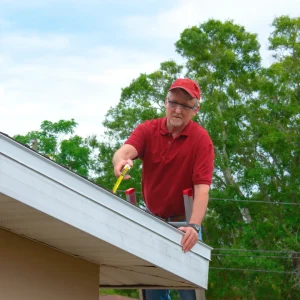
Walking through a spring inspection does not require you to get on the roof yourself. In fact, for most homeowners, staying on the ground and knowing what to look for is the safest and most practical approach. Work through each area below and make note of anything that looks out of place. A professional can then confirm your observations and identify anything you may have missed.
Spring Roof Maintenance Checklist for Indiana Homeowners
|
Area to Check |
What to Look For |
Why It Matters |
Next Step |
|
Shingles |
Curling, cracking, missing shingles, dark patches, granules in gutters |
These can be signs of wear that leave the roof more vulnerable to leaks |
Schedule a roof inspection if you notice damage |
|
Flashing and Sealants |
Lifted flashing, rust, cracked caulk around chimneys, vents, and skylights |
Damaged flashing is a common source of roof leaks |
Have problem areas repaired before spring storms |
|
Gutters and Downspouts |
Clogs, sagging sections, separated joints, poor drainage |
Backed-up water can affect shingles, fascia, and your foundation |
Clean gutters and confirm water drains away from the home |
|
Attic and Interior |
Water stains, musty odors, damp insulation, visible daylight |
Interior warning signs may point to hidden roof damage |
Contact a roofing professional for a closer evaluation |
|
Trees and Landscaping |
Overhanging limbs, branches touching the roof, heavy debris buildup |
Branches can scrape shingles and fall during storms |
Trim limbs back from the roofline |
|
Winter Damage |
Ice dam effects, loose shingles, hidden moisture issues |
Some roof problems show up weeks or months after winter ends |
Book a spring inspection to catch damage early |
Shingles
Start by scanning your roof from the ground with binoculars if possible. Look for shingles that are curling at the edges, cracked down the middle, or missing entirely. Granule loss is another red flag. If you notice dark or bare patches on shingles, that protective coating is wearing away. Also, check your gutters and downspouts for an accumulation of granules after a rain, as this is a reliable sign that your shingles are aging and may need to be replaced sooner than expected.
Flashing and Sealants
Flashing is the metal trim that seals transitions around your chimney, skylights, vents, and any roof penetrations. Cold temperatures cause metal to contract and expand, which can loosen or crack the sealant over time. Compromised flashing is one of the most common sources of roof leaks. Look for lifted edges, rust, or gaps in the caulking. These issues are often inexpensive to fix when caught early, but can lead to significant water damage if ignored through another season.
Gutters and Downspouts
Clean gutters are part of a healthy roofing system. Clogged gutters cause water to back up under your shingles and along your fascia, leading to rot and water intrusion. After winter, your gutters are likely filled with debris, broken shingle pieces, and seed pods from surrounding trees. Clear them out completely and check that downspouts are directing water at least three to four feet away from your foundation. Gutter damage, sagging sections, and separated joints should also be addressed at this time to prevent water from pooling near your home’s exterior walls.
Attic and Interior
Do not overlook the inside of your home during your spring inspection. Head up to your attic and look for any signs of daylight coming through the roof boards, water stains, or soft spots on the decking. Musty smells can indicate moisture buildup. Proper attic ventilation is critical year-round because heat and humidity trapped in an unventilated attic can shorten shingle life significantly and raise your energy bills. If your attic insulation looks wet, compressed, or discolored, that is a sign that water has already been making its way in.
Trees and Surrounding Landscape
Take a look at the trees near your home. Overhanging branches that rub against your roof during wind events can wear down shingles over time. After a winter with ice and heavy snow, weakened limbs may be closer to breaking than they appear. Trimming branches back at least six feet from your roofline reduces the risk of impact damage and limits the amount of debris that ends up in your gutters throughout the year.
Can Winter Damage Show Up Months Later?
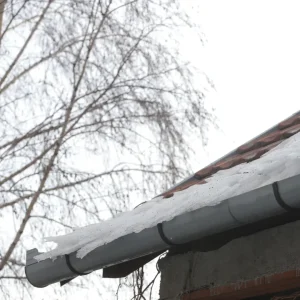
Yes, and this is one of the most important reasons to get a professional roof inspection in the spring. Ice dams, for example, form when snow melts and refreezes at the eaves of your roof. When that ice thaws in the spring, water can seep under your shingles and into your decking or insulation. You may not see any interior signs of this damage until weeks later, when a rain event pushes water further through an existing pathway. Wind damage can also be subtle. A shingle that looks fine from the ground may have had its seal broken, leaving it vulnerable to the next storm. Waiting until a visible leak appears means the damage is already more extensive than it needed to be.
Is Professional Roof Maintenance Worth It?
A professional roof inspection gives you something a DIY walkthrough cannot: an expert eye trained to spot the early warning signs of structural and material failure. Roofing professionals know where to look and what to look for, from subtle flashing issues to soft spots in decking that signal water damage below the surface. For Indiana homeowners, working with a local roofing company that understands the regional climate adds another layer of value. Moss Roofing has been serving Indianapolis and the surrounding area since 1991 and offers free roof inspections, so you know exactly where things stand before committing to any repair work.
How Much Does Roof Maintenance Cost?
Depending on what your roof needs, the cost of roof maintenance varies. Minor repairs such as replacing a few shingles, resealing flashing, or patching a small area of damaged decking typically fall in the range of a few hundred to a few thousand dollars, depending on the scope of work. Larger issues like significant storm damage or widespread shingle deterioration will cost more, but addressing them promptly prevents the far higher cost of a full roof replacement before its time. Deferred maintenance is almost always more expensive in the long run. Budgeting for an annual inspection and minor upkeep each spring is a straightforward way to stay ahead of major expenses and protect the value of your home.
Work with Moss Roofing This Spring
Your roof is one of the most important components of your home, and spring is the right time to give it a thorough look. Whether you want to do a basic walkthrough yourself or schedule a professional roof inspection with a trusted Indiana roofing company, the important thing is not to wait. Small issues that are easy to fix in spring can turn into major repairs by fall if they go unaddressed. The team at Moss Roofing is ready to help homeowners across Indianapolis, Carmel, Fishers, Greenwood, Brownsburg, and the surrounding area get their roofs in shape for the season ahead. Contact Moss Roofing today to schedule your roof inspection and get ahead of any issues before the next storm season arrives.


