


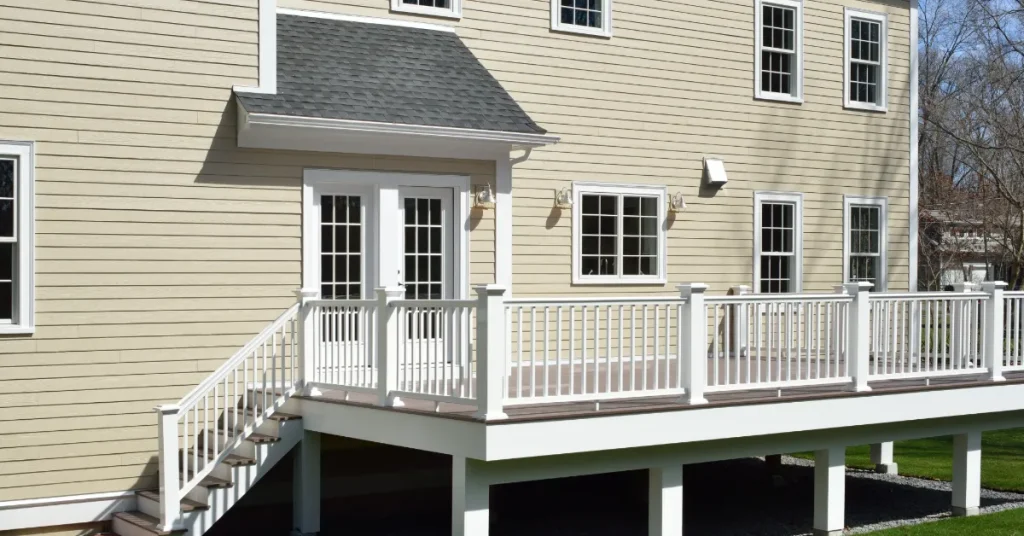
If you’re weighing options for a siding replacement, Moss Roofing sees one material come up in nearly every conversation with Central Indiana homeowners: vinyl. It’s easy to see why. Vinyl siding installation offers a strong mix of upfront value, low upkeep, and dependable performance against the swings in temperature that come with living in Indiana. Whether you’re planning ahead for a remodel or replacing siding that’s showing its age, understanding how vinyl performs and how it compares to other materials will help you make a confident decision. Below, we walk through what homeowners want to know most, from pricing and resale value to durability and day-to-day upkeep, so you have a clear picture before calling in exterior siding contractors for a look at your home.
Cost and Value
Pricing for a siding replacement depends on your home’s size, the style of vinyl you choose, and how much trim work or insulation is included. Every home is different, and the crew that measures yours will factor in details a general price range can’t capture, like the number of corners, windows, and existing layers to work around. Rather than guess at a number online, we recommend a free inspection and a clear, itemized estimate so you’re comparing real numbers for your home instead of a rough average.
That investment tends to pay off in more ways than one. New siding is one of the most visible upgrades a home can get, and buyers notice it right away. A fresh, well-installed exterior signals that a home has been cared for, which supports a stronger appraisal and helps your house stand out in your neighborhood for the right reasons. Over time, vinyl also tends to be the more cost-effective choice compared to fiber cement or wood, since it doesn’t need scraping, staining, or repainting the way those materials do. Wood requires ongoing upkeep to prevent rot, and fiber cement, while durable, carries a higher installed cost. Vinyl offers strong long-term value with far less maintenance built in.
If the timing works better financially, Moss Roofing also offers financing through Good Leap, which turns one high upfront cost into manageable monthly payments. It’s a straightforward way to move forward on a siding replacement without putting off a project your home needs.
Durability and Climate Fit
Indiana asks a lot of a home’s exterior, from freezing winters to humid summers and the occasional hailstorm. Vinyl siding is built to handle all of it when it comes from a quality product line and goes on correctly. Modern vinyl is engineered with impact-resistant formulas and secure interlocking panels, which is why it remains one of the most dependable siding options for Central Indiana homes. It’s designed to flex slightly rather than crack under impact, which helps it stand up to hail, and it resists moisture absorption, so the freeze-thaw cycles of an Indiana winter won’t cause the warping or rot that wood siding can experience.
Wind is another factor worth considering, especially with spring storms rolling through the state. Vinyl panels that are installed and fastened correctly interlock to withstand high wind ratings, often exceeding 110 miles per hour, depending on the product line. That’s why the crew matters just as much as the material. Panels nailed too tightly or spaced incorrectly can undercut even a high-quality product, so certified installation is worth asking about upfront.
Heat and cold bring their own challenges, too. Higher-grade vinyl siding includes UV-resistant coatings to limit fading and is formulated to stay flexible in cold temperatures instead of turning brittle, while lower-grade products are more prone to sun fade and cold cracking. This is one reason the manufacturer you choose matters as much as the material itself. With proper installation, vinyl siding commonly lasts several decades, and homeowners who invest in a quality product line up front tend to see the strongest return over the life of their home.
Maintenance
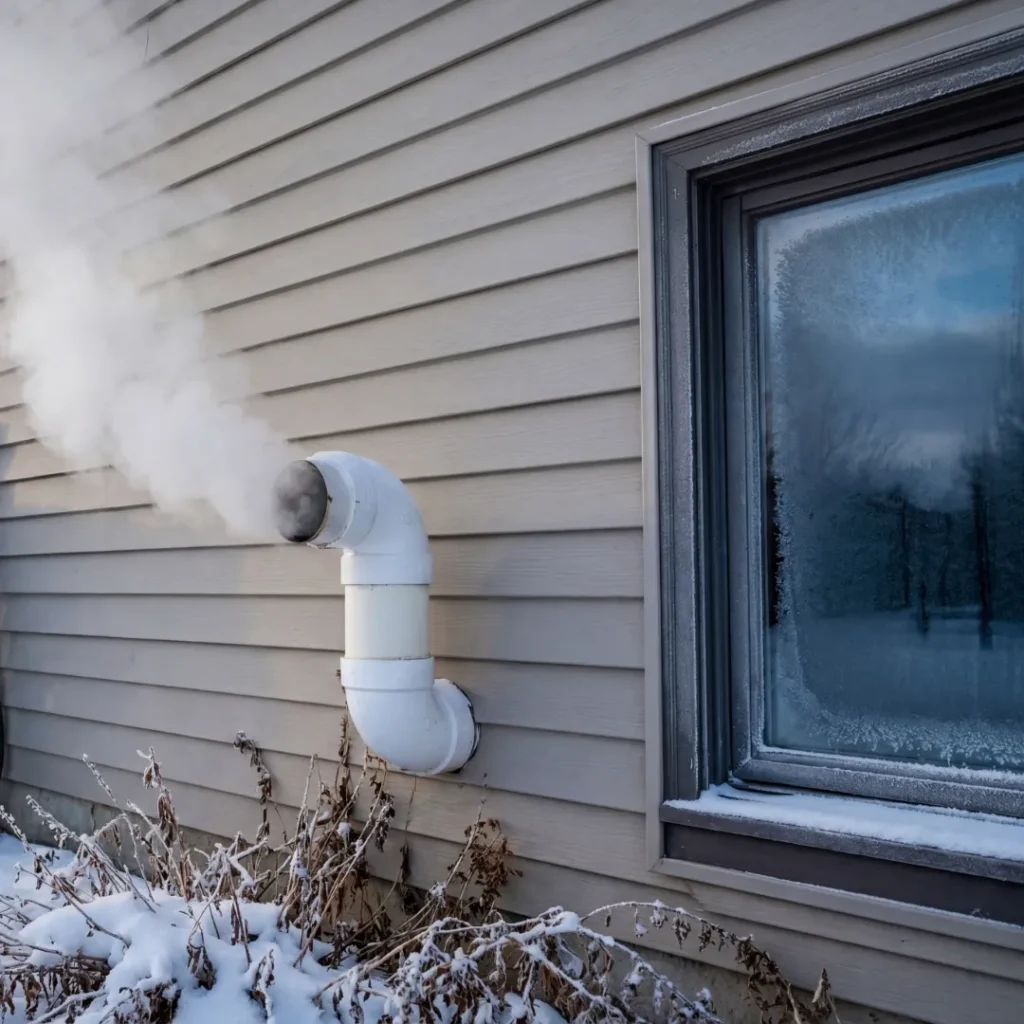
One reason vinyl siding remains popular with busy homeowners is how little it requires after installation. There’s no painting, staining, or sealing on the schedule, just occasional care to keep it looking sharp. Compared to wood siding, which needs fresh paint or stain every few years to hold up against Indiana’s humidity and cold, vinyl is largely a set-it-and-forget-it exterior. A simple rinse with a garden hose and a soft brush, using mild soap when needed, keeps it looking like new, and once or twice a year is usually enough. Just avoid pressure washers on high settings, since forcing water behind the panels can cause problems.
That said, vinyl siding isn’t entirely maintenance-free, and it never needs repainting since its color is built into the material itself, which is one of the biggest reasons homeowners choose it over wood in the first place. The one issue worth watching for is warping, which usually comes from improper installation, such as panels nailed too tightly to allow for natural expansion, or from a heat source like a dark-colored grill placed too close to the wall. Choosing an experienced crew that installs panels correctly prevents most warping issues before they start.
Installation and Process
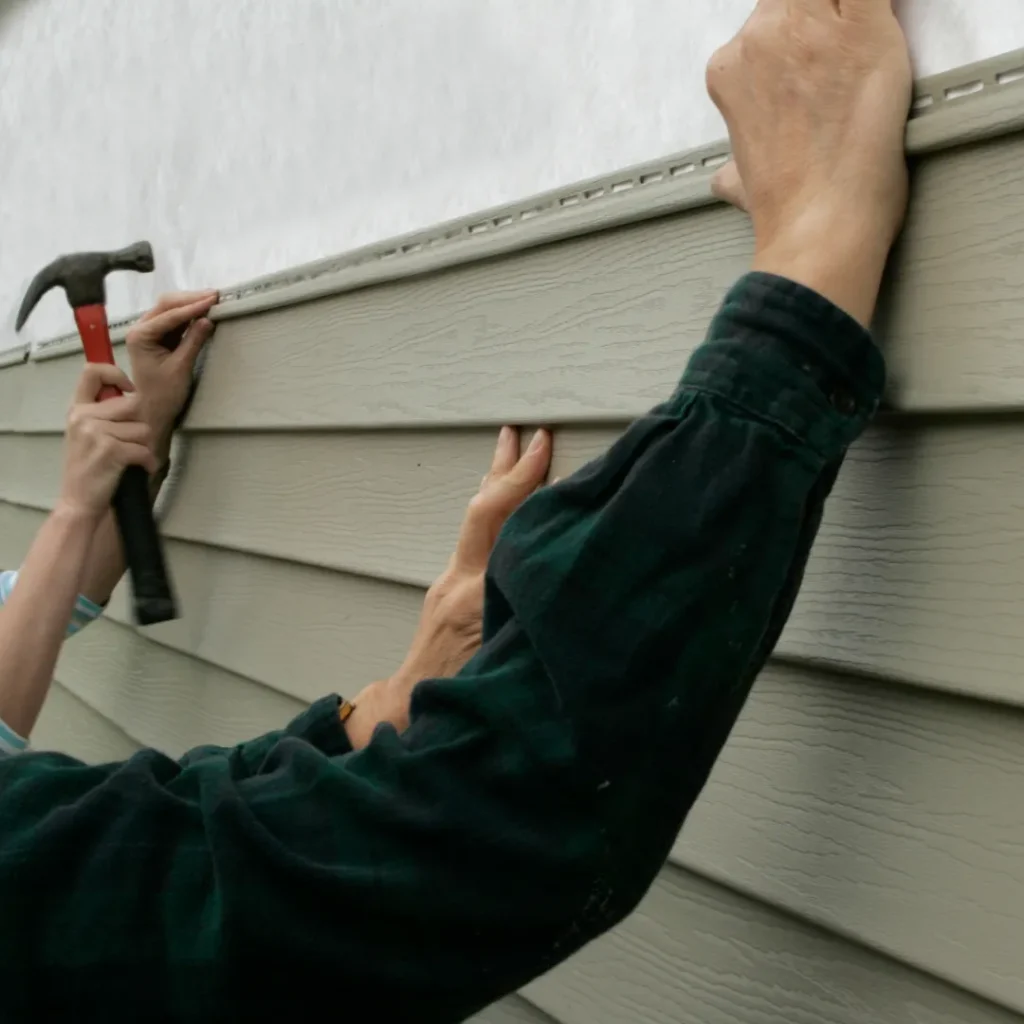
A siding replacement is a bigger job than most homeowners expect, but a well-organized crew keeps it moving without disrupting your household for long. The process typically starts with an inspection of the surface underneath, followed by measurements, ordering materials in your chosen color and style, and then installation itself. Most vinyl siding installation projects on an average-sized home take a few days to about a week, depending on the home’s size and any repairs needed underneath before panels go on.
In some cases, new panels can go over existing siding, but it depends on the condition of what’s underneath. Our crews inspect the existing surface first, since installing over damaged or uneven siding can affect how well the new panels perform. Good exterior siding contractors will walk you through each step ahead of time, so you know what’s happening and when, rather than leaving you guessing about timelines or what’s included. Vinyl also comes in a wide range of colors, textures, and profiles, including options that mimic wood grain, board and batten, and traditional lap siding, so matching your home’s architectural style is rarely a limitation.
Comparison: Vinyl vs. Other Siding Materials
Choosing between siding materials often comes down to upfront cost, how much upkeep you’re willing to take on, and the look you want for your home. Vinyl, fiber cement, and metal each bring different strengths to the table, and the right one depends on your priorities as a homeowner. Moss Roofing installs several of these materials, including CertainTeed® vinyl siding and James Hardie® fiber cement, so we can speak to how each one performs on Indiana homes rather than in general terms.
Vinyl vs. Fiber Cement vs. Metal Siding
|
Vinyl Siding |
Fiber Cement |
Metal Siding |
|
|
Installed Cost |
Lower |
Higher |
Higher |
|
Maintenance |
Minimal, no repainting |
Periodic repainting |
Low |
|
Storm and hail durability |
Strong, flexes on impact |
Strong, fire-resistant |
Can dent from impact |
|
Style and color options |
Widest range |
Textured, heavier look |
Moderate |
James Hardie fiber cement is a strong, fire-resistant material that holds paint well and offers a distinct textured look, but it comes with a higher installation cost and eventually needs repainting. Vinyl costs less to install and needs no repainting, making it the lower-cost, lower-maintenance choice for many homeowners, though fiber cement may appeal more to those drawn to its heavier, textured appearance and greater durability. Metal siding, on the other hand, resists fire and pests well but can dent from hail or falling branches and often costs more upfront. Vinyl siding offers comparable durability against Indiana storms at a lower installed cost, with a wider range of colors and styles to choose from. Moss Roofing installs all three, so we can walk you through which option fits your home and your priorities.
Thinking About New Siding for Your Indiana Home?
Vinyl siding is a smart way to protect your home and boost its curb appeal for years to come. If you’re ready to see what it could look like on your house, Moss Roofing offers a free inspection and a clear, itemized estimate, no obligation, just an honest assessment from a local crew that’s been serving Indianapolis, Cincinnati, and greater Central Indiana since 1991.


