


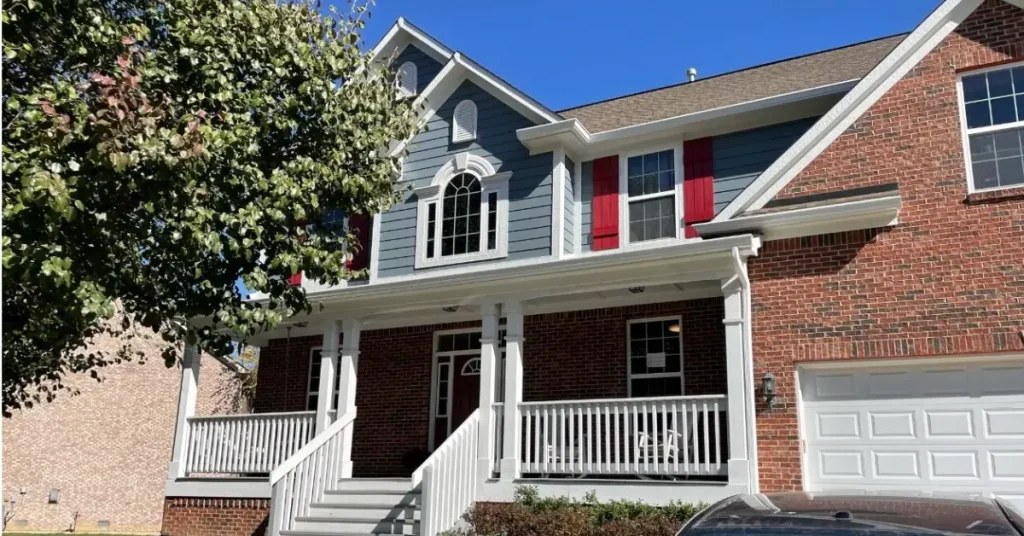
Moss Roofing has helped Indianapolis homeowners take care of their homes since 1991, and siding questions are some of the most common calls we get. A few cracked panels or a soft spot near the foundation can leave you wondering whether a quick fix will do or whether it’s time for full siding replacement. The answer depends on how much damage is present, how old your siding is, and what’s happening underneath the surface. Homeowners often wait until a problem is impossible to ignore, but siding issues rarely stay small, and a little know-how ahead of time can save both money and stress. This guide walks through how to spot trouble, what repairs can and can’t solve, and when replacement is the smarter long-term investment for your home in Avon, Brownsburg, Carmel, Fishers, Greenwood, Indianapolis, Noblesville, Westfield, or Zionsville. Whether your siding took a hit from a recent storm or has simply been wearing down over the years, understanding your options puts you in a better position to make a confident decision.
Deciding Between Siding Repair and Replacement
The right choice usually comes down to age, extent, and location of the damage. A single cracked panel on a home with siding that’s only a few years old is a good candidate for repair siding work, since a matching panel can often be swapped in without much fuss. But if damage shows up in multiple spots, or the siding is nearing the end of its expected lifespan, repair becomes a short-term patch rather than a real fix. Cost is part of the equation, too. Siding repair is almost always less expensive upfront, but if you’re patching the same wall every year or two, siding replacement ends up saving money over time. It also helps to think about how long you plan to stay in the home. If a sale is a few years off, a well-done repair may carry you through, but if this is a long-term home, replacement often pays for itself through lower energy bills and fewer service calls down the road.
| Factor | Siding repair | Siding replacement |
| Typical cost | Few hundred dollars | Higher upfront |
| Project length | Hours to 1 day | Several days |
| Extra service life | 5 to 10 years | Decades, depending on material |
| Color match risk | Possible on older siding | None, uniform finish |
| Best for | One or two isolated spots, damage under 20% of a wall | Widespread or aging damage, damage over 20% of a wall |
Signs You Need Repair vs Replacement
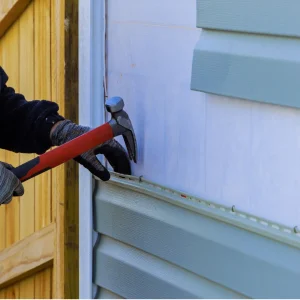
Small, isolated issues, like a dented panel from a stray baseball or one section warped by direct sun, are usually repairable. Widespread cracking, multiple loose panels, or damage spread across more than one side of the house point toward replacement. As a rule of thumb, if repairs would need to cover more than 20 percent of a wall, replacing that section, or the whole exterior, tends to hold up better and look more consistent than a patchwork of fixes. Age matters here, too. Siding that’s already 15 to 20 years old and starting to show wear in one area is often close to failing in other spots that aren’t visible yet, so a repair may only delay the inevitable by a season or two.
Can Just One Section Be Repaired?
Yes, in many cases, a single section can be repaired without touching the rest of the house. The catch is color matching. Siding fades over the years, so a brand new panel next to older siding can stand out. If the mismatch bothers you, or if the damaged section is on a highly visible part of the home, some homeowners choose to replace that full wall instead. A repair typically buys another 5 to 10 years of service before replacement becomes necessary, depending on the material and how the damage occurred. Discontinued colors or older product lines can make matching even harder, which is another reason it helps to have a contractor check what’s currently available before deciding.
Recognizing Siding Damage and Warning Signs
Not all siding damage is obvious. Cracks, warping, and missing pieces are easy to spot, but some of the most serious problems hide behind the surface. Knowing what to look for helps you catch issues before they turn into costly repairs, and a few minutes of walking the perimeter of your home once or twice a year can make a real difference.
Hail, Wind, and Hidden Moisture Damage
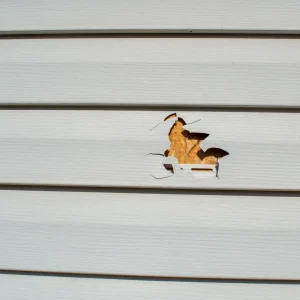
Hail damage often shows up as small dents, cracks, or chipped edges, and it tends to cluster on the side of the house that faced the storm. Wind damage can be sneakier. Strong gusts can loosen panels or pull them away from the wall without leaving a visible crack, so a section that looks fine from a distance may already be letting water in behind it. Cracked or warped panels are a strong sign that moisture has found its way underneath, and if that goes unaddressed, it can lead to rot in the wall sheathing. If you notice soft spots, a musty smell near exterior walls, or paint bubbling on interior walls that back up to the siding, it’s worth having a contractor take a closer look before the damage spreads. Rot and moisture damage are especially concerning because they often start small and stay hidden behind the panels for months, quietly weakening the structure underneath while the exterior still looks presentable.
When Siding Replacement Is Necessary
Some situations move past the point where a repair makes sense and call for full siding replacement. If your siding is nearing the end of its expected lifespan, usually 20 to 40 years, depending on the material, isolated repairs tend to become more frequent and less effective over time. Damage that spans multiple sides of the house, rather than one section, is another sign that a patchwork approach won’t hold up, since it often points to age-related wear rather than a single storm event. If a contractor opens up a damaged area and finds rot, mold, or structural decay in the wall sheathing underneath, replacement is typically the only way to fix the problem instead of covering it back up. Rising heating and cooling costs, paired with visibly aging siding, can also signal that the material has stopped insulating the home the way it should. When repairs start happening every year, or the running cost of ongoing patchwork adds up, replacement usually turns out to be the more practical and cost-effective path forward.
Cost, Insurance, and Financing for Siding Projects
Siding repair in the Indianapolis area typically runs a few hundred dollars for small jobs, while full siding replacement costs more upfront but comes with a longer lifespan and often a boost to your home’s resale value. The exact price depends on the size of the home, the material chosen, and how much of the underlying structure needs attention. Homeowners insurance may cover siding repair or replacement when the damage comes from a covered event like a hailstorm or high winds, though coverage details vary by policy, so it helps to review your plan or ask your contractor to walk through the storm damage documentation with you. Taking some time to evaluate the cost vs. value of the different options could save you money in the long run. A written estimate clearly separates material and labor costs and also makes it easier to compare quotes and submit a claim if needed.
Financing Options and Long-Term Value
Not every homeowner wants to pay for a full siding replacement out of pocket, and financing can make the timing easier. Moss Roofing works with Goodleap to offer financing options, so you can get new siding installed now and pay over time instead of waiting until the damage gets worse. Beyond protecting the house, new siding is one of the more reliable ways to boost curb appeal and home value, since it’s one of the first things buyers and appraisers notice. Fresh siding can also improve insulation, which often shows up as a small but steady drop in heating and cooling costs.
Choosing Siding Materials That Last
Vinyl siding installation remains a popular, budget-friendly option that resists moisture well and comes in a wide range of colors and styles. Fiber cement, like the products made by James Hardie or CertainTeed, holds up especially well against Indiana’s hail and temperature swings, resisting cracking and fading better than vinyl over the long run. Metal siding is another durable option, standing up to impact and severe weather without warping, though it tends to come at a higher price point. Material trends are shifting too, with more homeowners exploring popular siding styles and smart home features that go beyond simple protection, like bolder color choices, mixed-material facades, and integrated smart sensors that flag moisture problems early. The right choice depends on your budget, how long you plan to stay in the home, and how much upkeep you want to take on. Homeowners who want the lowest maintenance often lean toward fiber cement or metal, while those focused on upfront cost tend to choose vinyl.
Timing and Local Considerations for Indiana Homes
Spring and fall tend to be the most popular seasons for siding repair and replacement in Indiana, since temperatures are mild enough for materials to install properly, and homeowners want repairs done before the next round of storms. That said, most siding work can be scheduled any time of year when conditions allow. Indiana’s hail season, which typically runs from spring through early summer, is the leading cause of sudden siding damage, so an inspection right after a storm is one of the best ways to catch problems early. Beyond storm response, a yearly walk-around inspection can catch small issues, like a loose panel or a hairline crack, before they turn into bigger repairs. Scheduling that annual check in the early spring, ahead of hail season, gives you time to address any lingering winter damage before storms have a chance to make it worse.
Working With a Local Siding Contractor
Choosing the right contractor makes a real difference in how long your siding lasts and how smoothly the project goes. Look for exterior siding contractors with a solid local track record, clear warranties on materials and labor, and experience working with the specific brands you’re considering. Before hiring anyone, ask how they handle color matching for repairs, what their timeline looks like, and whether they’ll help document damage for an insurance claim. It’s also worth asking about crew experience, cleanup procedures, and how they handle unexpected issues found once the old siding comes off, since a straightforward answer to that last question often says a lot about how the rest of the project will go.
Moss Roofing offers free estimates for homeowners across the Indianapolis area who want a clear answer on whether their siding needs repair or full replacement. Our team has been updating homes throughout Avon, Brownsburg, Carmel, Fishers, Greenwood, Noblesville, Westfield, and Zionsville for decades, and we’re happy to walk you through your options in plain language, no pressure attached.
Reach out to schedule your free estimate and get a straightforward recommendation backed by decades of local experience.


