


When a storm rolls through, Moss Roofing hears the same question from homeowners across the neighborhood: Is this actual damage, or does the siding just look rough? Moss Roofing has spent decades helping Central Indiana families sort out that exact question, and the answer usually comes down to a handful of specific, repeatable signs. Hail and wind damage siding differently, and knowing the difference can save you from an unplanned repair bill down the road or from ignoring something that needs attention now. Understanding what to look for and how it connects to storm damage roof repair puts you in a stronger position before a contractor ever knocks on your door.
What Hail Damage Actually Looks Like
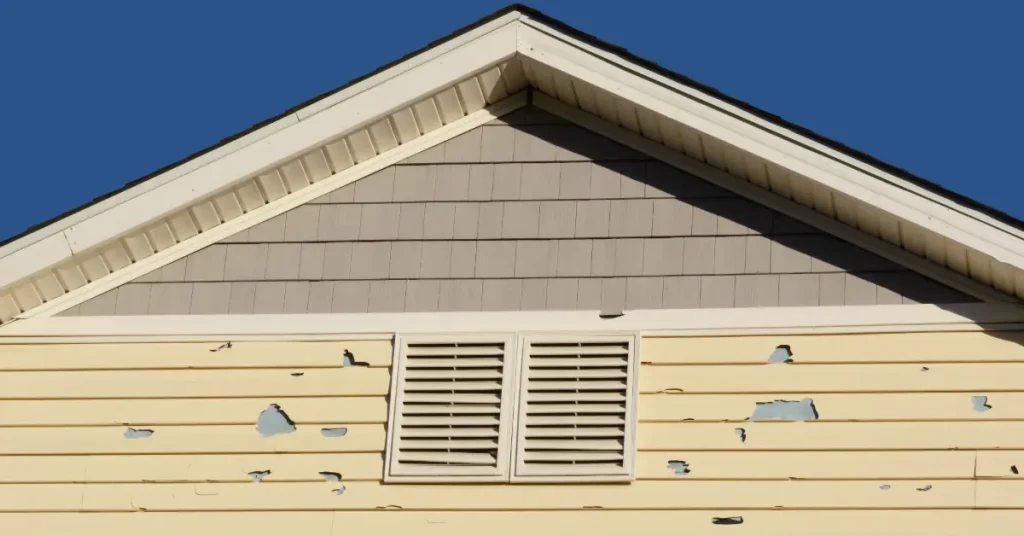
Hail damage rarely looks dramatic from a distance. Instead, homeowners usually notice small dents, cracked panels, or spots where paint has chipped away in a scattered, random pattern. The National Weather Service ranks hail by size, from pea-sized to softball-sized, and larger stones tend to leave more obvious cracks or holes. On closer inspection, the damage often clusters, rather than spreading evenly, which is one of the clearest signs that a storm caused it rather than everyday aging.
Vinyl, Wood, and Fiber Cement React Differently
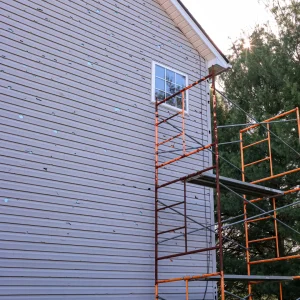
Vinyl siding tends to crack or puncture, leaving a visible hole, since it is thinner and more brittle under impact. Wood siding often shows dents or splintering, sometimes with paint knocked loose around the point of contact. Fiber cement siding, including James Hardie® products, is denser and more impact-resistant, but it can still chip or crack along the edges of a panel. Aluminum siding, if present, usually dents rather than cracks. Each material tells a different story, which is why an honest assessment depends on knowing what normal impact damage looks like on that specific product.
Telling Hail Damage Apart from Normal Wear
Old caulking, hairline cracks from age, and sun-faded panels can look similar to storm damage at a glance, but there are differences. Wear from age tends to spread evenly across a wall, while hail marks cluster in irregular patterns and often appear alongside dented gutters, dinged window screens, or damaged roof vents nearby. If the marks look fresh, with exposed material or bright edges rather than weathered ones, that is another clue pointing to a recent storm rather than years of gradual wear.
Why One Side of the House Usually Shows More Damage
Hail typically falls at an angle, driven by wind, so the side of the house facing the storm often takes the brunt of the impact while the opposite side looks untouched. This is normal and expected. It also means a quick look at only one wall can miss the full picture, which is why a full walk-around matters before deciding whether repair or replacement is the right next step.
What Wind Damage Actually Looks Like
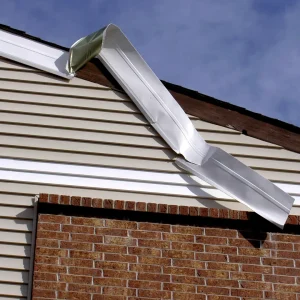
Wind damage shows up differently from hail. Instead of scattered dents, look for panels that have come loose, gaps between sections that were not there before, warped or bowed siding, or pieces that are missing altogether. Wind tends to work at the edges and fasteners first, prying at corners and seams rather than striking flat surfaces. A home’s most exposed corners, near rooflines, and areas around windows are usually the first places to show stress after a windstorm moves through.
Wind Damage vs. Hail Damage
Hail creates impact damage, cracks, dents, and holes concentrated where the stones made contact. Wind creates displacement damage, such as siding that has shifted, loosened, or torn away from the wall. A homeowner can have one type of damage without the other, or both at once if a single storm brought both hail and high winds. Recognizing which type you are looking at helps set expectations for what a repair will actually involve.
What Happens Behind Loose Siding
When panels loosen or gaps open up, the house’s protective barrier is compromised even if the siding itself still looks mostly intact. Moisture can work its way behind the panels, and insulation underneath can become exposed to the elements. Over time, this invites problems that are far more expensive than the siding repair itself, including wood rot, mold growth, and reduced energy efficiency. This is one of the main reasons wind damage should never be judged only by how it looks from the street.
Repair or Replace: How the Decision Gets Made
Deciding between a targeted siding repair and a full replacement comes down to how widespread the damage is, how old the existing siding is, and whether matching panels are still available. A few cracked or dented panels on one wall are usually a straightforward repair. Widespread damage across multiple sides, or siding that was already near the end of its lifespan, often points toward replacement instead. A contractor should walk the full exterior, document what they find, and explain the reasoning behind the recommendation rather than defaulting to the most expensive option.
Does the Same Logic Apply to the Roof?
Yes. A roof with a handful of isolated hail hits, especially soft-metal components like vents and flashing, can often be repaired. A roof with widespread granule loss, cracked shingles across multiple slopes, or damage old enough that matching shingles are no longer made usually calls for full replacement instead. Storm damage roof repair and siding repair follow the same basic principle: fix what can be fixed, and replace what cannot be reliably restored.
What Happens If Damage Goes Unaddressed
Left alone, cracked siding and loosened panels let moisture into the wall system, which can lead to rot, mold, and higher energy bills as insulation loses effectiveness. On the roof, small issues like lifted shingles or exposed nail heads can turn into leaks after the next rain. What starts as a manageable, targeted repair often turns into a much larger project the longer it sits unaddressed, which is part of why an early, honest assessment matters.
How Moss Roofing Documents Storm Damage
A thorough inspection is only useful if it produces something you can actually use. Moss Roofing photographs and notes every area of concern, on both the roof and the siding, so homeowners have a clear record for their own files or for an insurance conversation. This documentation lays out exactly what was found, where it was found, and why it matters, which gives homeowners a factual starting point rather than a guess. If you notice a possible sign of hail or wind damage, the first step is simply getting a professional set of eyes on it before deciding what, if anything, needs to happen next. A free inspection is built for exactly that.
What to Expect During a Professional Inspection
A typical inspection includes a walk-around of all sides of the home, a close look at siding panels, trim, and corners, and a check of the roof, gutters, and vents for related signs of impact or wind stress. Most inspections take under an hour and end with a plain-language explanation of what was found, whether that points toward a repair, a replacement, or no action at all. There is no obligation attached to the visit itself.
Why Roof and Siding Should Be Checked Together
Storms rarely damage only one part of a home. Wind and hail that hit the siding almost always reach the roof as well, since both surfaces face the same exposure during the same event. Checking only one side of the house can miss damage that is actively letting moisture in. A single, coordinated inspection covering both the roof and the exterior walls gives a homeowner the full picture in one visit instead of piecing it together from separate service calls.
Choosing a Local Siding Contractor for Storm Repair
Look for a contractor who is certified by the manufacturers whose products they install, such as James Hardie or CertainTeed®, since that credential reflects real training on the material. Ask how long they have worked in your area and whether they document damage in writing and photos as a matter of standard practice, not just when asked. Local siding contractors who have handled storms in your specific neighborhood will recognize patterns faster and know what your particular siding material typically does under impact.
Not sure if what you’re seeing is storm damage? A free inspection gives you a clear, itemized answer with no obligation and no guesswork.


