


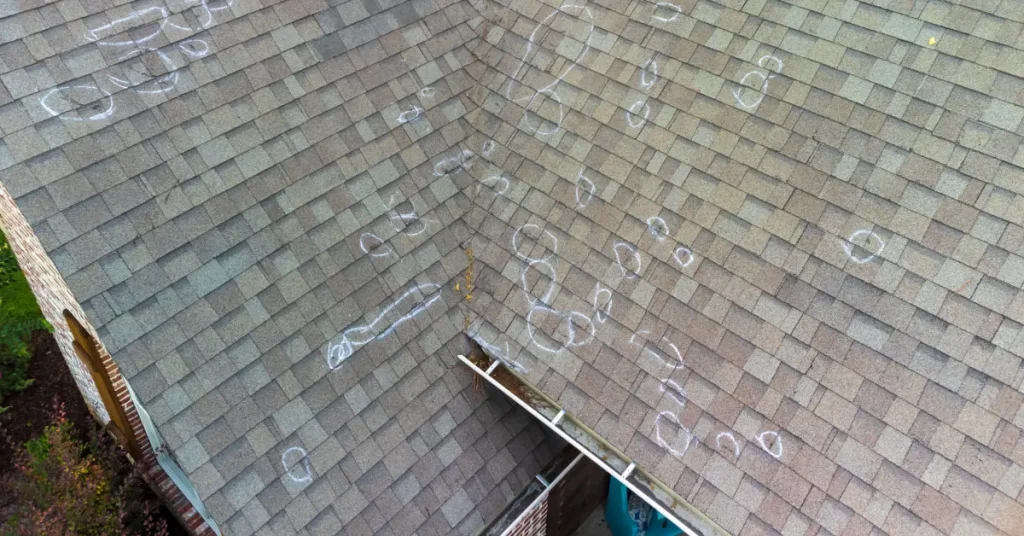
When hail tears through a neighborhood, Moss Roofing has fielded the same worried question for over three decades: Does a hail damage claim raise home insurance rates enough to make filing not worth it? It’s a fair concern. Nobody wants to trade one financial hit, a damaged roof, for another, a bigger premium. The honest answer is that a hail claim can raise your rate, but it rarely does so dramatically, and skipping a legitimate claim to avoid a small increase often costs homeowners far more down the road. Understanding how insurers actually weigh risk, and what separates a routine hail claim from one that draws scrutiny, helps you decide with facts instead of fear. This guide breaks down what really happens to your policy after a hail claim, and how to protect both your roof and your rate.
Does Filing a Hail Damage Claim Raise My Homeowners Insurance Rates?

Most insurers do factor a hail claim into your renewal pricing, but the increase is usually modest rather than severe. Hail is a weather event outside your control, so insurers generally treat it more gently than claims tied to negligence, like a fire caused by an unattended stove. Your premium change depends on your claims history over the past several years, your state’s insurance regulations, and how many claims your insurer has paid out in your area recently. A single hail claim on an otherwise clean record typically causes a smaller bump than a second or third claim filed within a short window.
Is Hail Damage a No-Fault Claim?
Hail damage is often called a no-fault claim because you didn’t cause the storm, and this classification can work in your favor. Some insurers rate no-fault weather claims less harshly than claims tied to fault, like water damage from unmaintained gutters. That said, no-fault doesn’t always mean no impact. Your policy’s underwriting rules determine how much weight a hail claim carries, so ask your agent directly instead of assuming.
How Long Does a Hail Claim Stay on My Insurance Record?
Most claims stay on your record and factor into pricing for three to seven years, depending on your insurer and state. Insurers pull from a shared claims history database, so switching companies doesn’t erase the record. As the claim ages, its effect on your premium typically fades, especially if no further claims follow it.
Should You File a Claim for Minor Hail Damage, or Pay Out of Pocket?
If the repair estimate sits close to your deductible, paying out of pocket can make sense, since a small payout paired with a rate bump may cost more over time than the repair alone. If the damage affects your roof’s structure, waterproofing, or expected lifespan, filing is usually worth it. The potential premium increase is almost always smaller than the cost of a full roof replacement paid entirely out of pocket. Weigh the claim against the repair cost, not against the fear of a rate change.
Cosmetic vs. Structural Hail Damage
Cosmetic damage, like dented gutters or dinged siding, affects appearance but not performance. Structural damage, like cracked shingles, exposed underlayment, or bruised granules that compromise the roof’s waterproofing, affects function and can lead to leaks if ignored. Insurers and contractors evaluate these differently, and structural damage is what typically qualifies for a full claim payout.
How Do You Know If Hail Damage Justifies a Claim?
Granule loss, cracked or missing shingles, dented flashing, and soft spots on the roof deck are signs that the damage goes beyond cosmetic. A trained eye can often spot these issues from the ground, but a roof inspection gives you a documented answer instead of guesswork, so you can make the call with real information.
Will Not Filing Now Hurt You Later If the Damage Gets Worse?
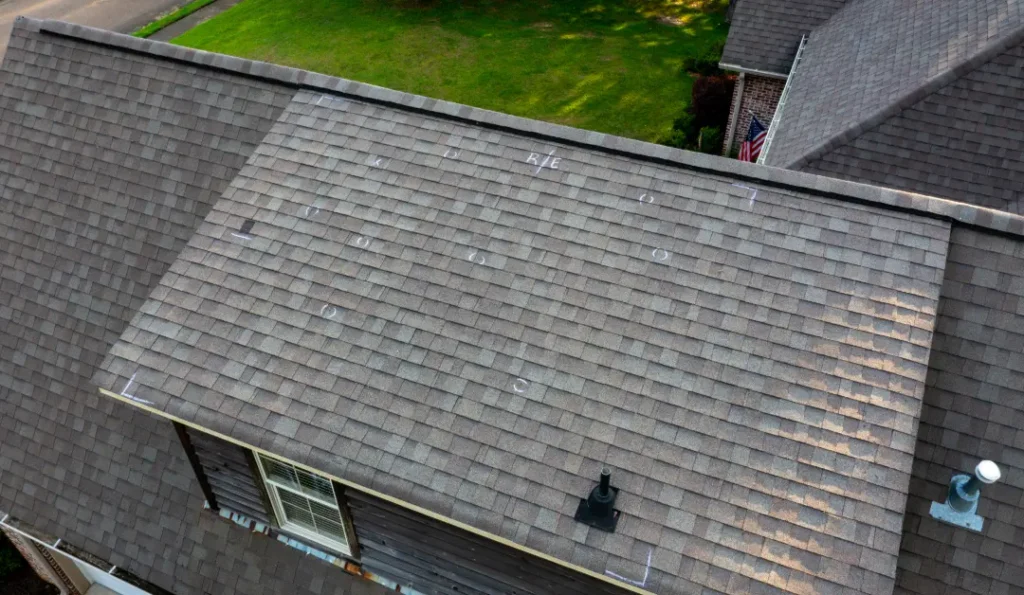
Yes, this is a real risk. Undetected hail damage can worsen over time, leading to leaks, wood rot, or interior damage that costs far more to repair. Many policies also carry time limits for filing after a storm, so waiting too long can void your ability to claim at all, even once the damage has grown.
What to Expect During the Claims Process
A roofing contractor plays a key role in documenting hail damage clearly, using photos, measurements, and detailed notes that match what an insurance adjuster looks for. This documentation helps prevent disputes over what counts as storm damage versus normal wear. During the adjuster’s inspection, expect them to examine each slope of the roof, check for granule loss and impact marks, and compare findings against the contractor’s report. Having a contractor present during this inspection often leads to a fairer, more accurate outcome, since both sides are working from the same evidence.
Can Your Rates Go Up Even If the Claim Is Denied?
In some cases, yes. Insurers may note that a claim was filed even if it was ultimately denied, and repeated filings, approved or not, can shape how an insurer views your risk profile over time. This is one more reason accurate documentation matters from the start.
Does the Number of Claims in Your Neighborhood Affect Your Rate?
Insurers do consider regional claim frequency when setting rates, since a high volume of hail claims in an area signals greater overall risk. This is separate from your personal claims history, but it can still influence your premium, especially at renewal time following a major regional storm.
How Hail Claims Compare to Other Roof Damage Claims
Hail claims are generally viewed more favorably than claims tied to neglect, like a leak caused by ignored maintenance, because hail is unpredictable and outside your control. Switching insurers after a hail claim rarely helps, since your claims history follows you to a new insurer through shared industry databases. Staying with your current insurer, especially if you have a long history with them, often works in your favor at renewal time. The table below shows how different claim types typically compare.
|
Claim Type |
Considered Fault? |
Typical Rate Impact |
|
Hail damage |
No fault (weather event) |
Low to moderate |
|
Wind damage |
No fault (weather event) |
Low to moderate |
|
Water damage (maintenance-related) |
Owner fault |
Moderate to high |
|
Fire (preventable causes) |
Owner fault |
High |
|
Multiple claims within 3-5 years |
N/A |
Cumulative increase |
Not sure if your hail damage is claim-worthy? A free roof inspection gives you a straight answer, no pressure, no obligation. Moss Roofing will document the damage clearly so you and your insurer are looking at the same facts, and you can decide with confidence instead of guessing.


