


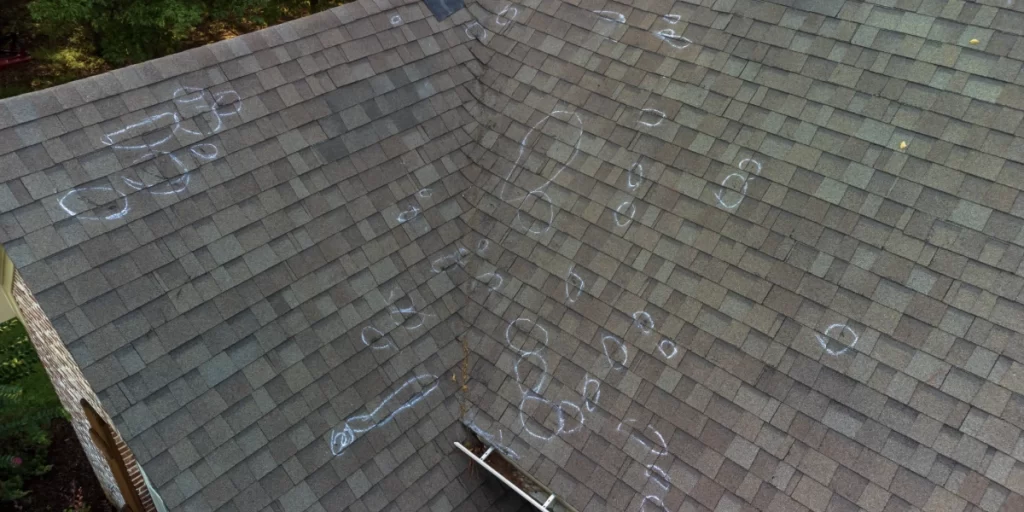
Many homeowners wonder if repairs are sufficient after severe weather. Hailstorms often cause damage that is underestimated or hard to see from ground level. Moss Roofing recommends scheduling a comprehensive roof inspection after a storm to assess any visible or hidden damage.
How To Tell If My Roof Has Hail Damage
A qualified professional roofing contractor can spot subtle signs that untrained eyes miss entirely.
Dented Or Bruised Shingles
Hailstone strikes can leave dents or bruises on asphalt shingles, which may feel spongy. This problem makes a roof more prone to leaks and sun damage.
Missing Shingle Granules
Hail can extract granules from shingles, revealing the asphalt base and causing premature aging and moisture intrusion. Granules make their way into gutters or downspouts.
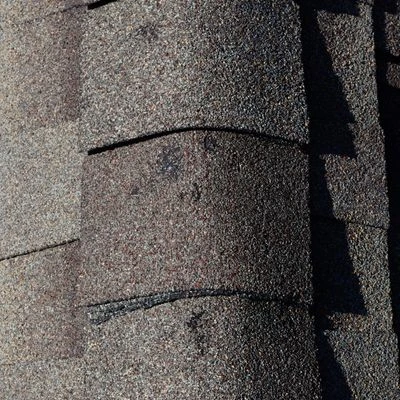
Cracked Or Split Shingles
Hailstones hitting forcefully can cause shingles to crack or split. These fissures are caused by impact and often lead to water leaks, requiring repairs or replacement to prevent further roof damage.
Damaged Or Bent Flashing
Hail-dented metal flashing around chimneys, vents, or roof edges can cause poor water runoff, risking leaks and other water-related damage to the roofing layers and inside the home or attic.
Dented Gutters & Downspouts
Hail often dents aluminum gutters and downspouts. Check for dimples or creases. Dents can cause poor drainage.
Marks On Roof Vents Or Metal Fixtures
Check for dents or pockmarks on metal roof accessories like turbine vents, pipe boots, and exhaust caps. These marks are easier to spot than shingle damage and often reveal where hail hit hardest, indicating the roofing system needs closer inspection.
Water Stains On Ceilings Or In Attic
Leaks from hail-damaged roofing can cause water stains inside. Check ceilings, walls, and attics for moisture, mold, or mildew, which often appear after storms and indicate possible damage.
Shingle Edges Curling Or Lifting
Hail can weaken shingles’ adhesive, causing edges to curl or lift, increasing weather damage and leaks. Check non-flat shingles immediately for hail damage or wind vulnerability.
Soft Spots On The Roof Surface
After hailstorms, have a professional inspect for soft spots. Even if the shingle mat looks fine, soft spots can indicate damage. Left untreated, they worsen with rain or sun.
Broken Skylights Or Light Fixtures
Hail can crack or break skylights, especially acrylic or glass ones. Look for spiderweb cracks, broken seals, or fogging. Damaged skylights weaken insulation or waterproofing materials and may indicate the need for roof repairs.
Does My Roof Need To Be Replaced After Hail Damage?
Severe hail damage will typically demand a full roof replacement to restore its structure and avoid future issues.
Compromised Shingle Integrity
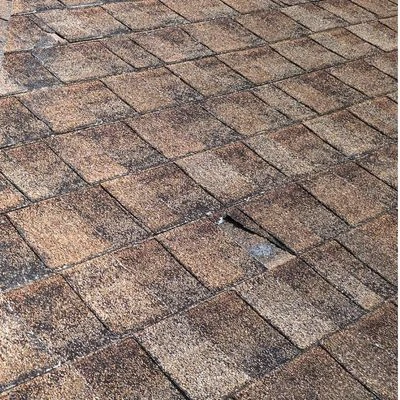
Hailstones can crack, dent, or bruise shingles, weakening their surface. Damaged shingles can’t repel water, risking leaks. Storm damage roof replacement provides complete protection and prevents further damage.
Hidden Water Leaks
Hail damage may not cause immediate leaks, but it creates tiny punctures that worsen over time. This problem allows water to seep into the underlayment or decking and cause hidden moisture problems. Replacing the roof prevents potential leaks and interior damage.
Reduced Roof Lifespan
Even minor hail damage could significantly reduce a roof’s lifespan. Loss of shingle granules and structural damage weaken the roof against the outside elements. Full storm damage roof replacement ensures durability and prevents frequent repairs or premature failure.
Mold & Mildew Risks
Hail damage causing moisture intrusion can lead to mold formation, mildew growth, health risks, and destruction of insulation or drywall. Roof replacement removes damaged materials, maintaining a healthy indoor environment.
Insurance Coverage Window
Most homeowners’ insurance policies have a limited time window to file hail damage claims. Replacing the roof quickly after a hailstorm helps homeowners maximize insurance benefits and avoid paying out-of-pocket costs for repairs or a replacement later.
Increased Home Value
A new roof boosts curb appeal and resale value. Storm-damaged roofs deter buyers, while replacing a hail-impacted roof reassures buyers and eases the selling process.
Energy Efficiency Concerns
Hail damage can weaken roof insulation and ventilation, raising heating and cooling costs. Replacing the roof restores energy efficiency, lowers utility bills, and enhances indoor comfort year-round.
Structural Decking Damage
Severe hail impacts can damage shingles and underlying roof decking, weakening the entire roofing system. Roof replacement restores all layers, including the decking.
Avoiding Escalating Repair Costs
Delaying storm damage roof replacement increases repair costs, as minor hail damage can escalate into costly repairs. Replacing the roof promptly saves money by preventing further interior and exterior damage.
Manufacturer Warranty Issues
Hail damage can void the warranty on roofing materials. Repairing instead of replacing may result in losing coverage for future defects. Replacing with new, warrantied roofing materials restores full protection.
Scheduling A Professional Roof Inspection
Moss Roofing provides certified roof inspections to uncover hidden damage, assess storm impact, document issues for insurance, and recommend suitable solutions, preventing costly problems or catastrophic losses. Contact us today for a consultation.


