


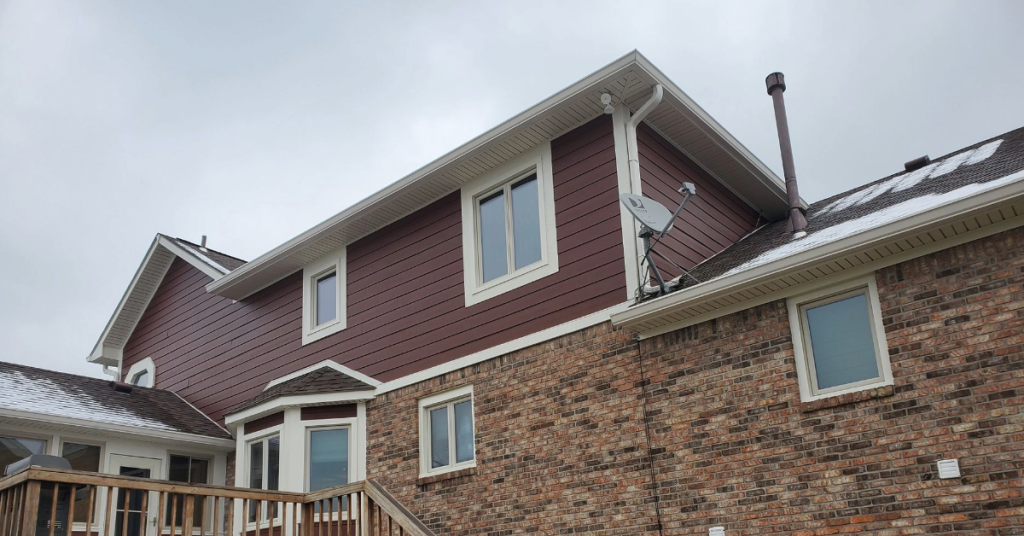
According to the Journal of Light Construction (2023), new siding projects can recoup about 89% of their cost at resale, indicating strong return on investment for homeowners. In Indiana, where siding must handle freezing winters, humid summers, and frequent storms, choosing the right material matters. That’s why many homeowners turn to Moss Roofing when comparing James Hardie fiber-cement siding with vinyl and wood options. This guide breaks down James Hardie siding cost, real-world performance, and maintenance expectations to help you decide if fiber-cement siding is the right fit. If your current siding is fading, worn, or cracked, understanding how each option performs can make the next step clearer and more confident.
What Is James Hardie Fiber-Cement Siding?
James Hardie fiber-cement siding is made from a blend of cement, sand, and cellulose fibers. This composition gives it the strength of masonry with the look of traditional siding materials like wood lap or shingles. Many Indiana homeowners choose it because it resists common issues tied to humidity, insects, and temperature swings. Unlike wood, it does not rot, and unlike vinyl, it holds its shape during extreme heat or cold. It also comes in a wide range of colors and textures, making it suitable for both older homes and newer builds. For homeowners focused on siding durability in Indiana, fiber-cement stands out as a reliable long-term option.
Fiber-Cement Siding Pros & Cons
Advantages of Fiber-Cement Siding for Indiana Homes
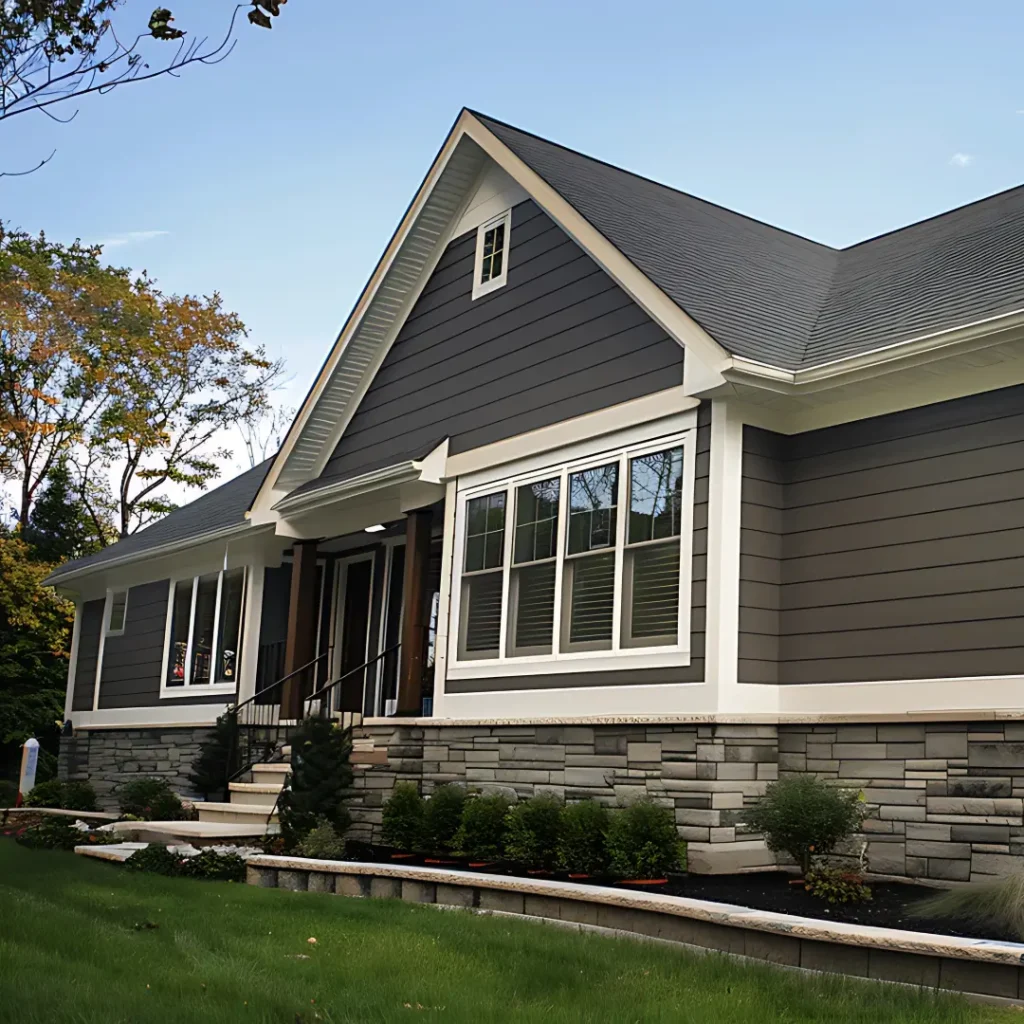
One of the biggest fiber-cement siding pros is durability. James Hardie products are designed to handle hail, wind, and heavy rain, which are common concerns in Central Indiana. The material resists warping, cracking, and insect damage better than many alternatives. It also offers strong curb appeal with styles that mimic wood without the same upkeep. For homeowners replacing aging or storm-damaged siding, fiber-cement provides a solid balance of performance and appearance. Its longevity often offsets the higher upfront investment when compared to vinyl.
Potential Drawbacks to Consider
The main drawback homeowners notice is cost. James Hardie siding cost is typically higher than vinyl siding, especially when professional installation is factored in. Fiber-cement is also heavier, which means skilled installation matters for long-term performance. While maintenance needs are lower than with wood, repainting will still be required over time. Understanding these trade-offs helps homeowners decide if fiber-cement aligns with their goals and budget.
James Hardie Siding Cost in Central Indiana
Average Cost Expectations for Local Homes
James Hardie siding cost varies based on home size, style choice, and installation complexity. For homes in Brownsburg and the Indianapolis area, fiber-cement siding generally costs more upfront than vinyl but less than many premium materials. Labor plays a key role because proper installation protects the siding’s lifespan. While exact pricing depends on the project, many homeowners view fiber-cement as a long-term investment that reduces future repair and replacement expenses tied to lower-quality siding materials.
Cost vs Long-Term Value
When comparing siding options, it helps to look beyond the initial price. Fiber-cement siding often lasts longer than vinyl and requires fewer repairs than wood. This can lead to lower ownership costs over time. For homeowners planning to stay in their home or improve resale value, James Hardie siding often delivers stronger returns due to durability and visual appeal.
Fiber-Cement Siding vs Vinyl Siding: Which Is Better for Indiana?
Vinyl siding remains popular because of its lower upfront cost, but it can struggle with Indiana’s temperature changes. Vinyl may crack in cold weather or warp during extreme heat. Fiber-cement siding, on the other hand, holds its shape and appearance more consistently. It also offers better resistance to hail and wind-driven debris. For homeowners deciding between it and vinyl siding, fiber-cement siding often wins on durability and long-term performance, while vinyl appeals to those prioritizing initial affordability.
Performance in Indiana Weather Conditions
Winter, Summer, and Storm Resistance
Indiana weather can be demanding, with freezing winters, humid summers, and strong storms. James Hardie siding is engineered to perform across these conditions. It resists moisture absorption, which helps prevent swelling and damage during heavy rain. Its dense makeup also provides better impact resistance during hailstorms. This makes fiber-cement a strong choice for homeowners concerned about frequent weather-related siding repairs.
Moisture and Humidity Considerations
Homes with past moisture or rot issues often benefit from fiber-cement siding. Unlike wood, it does not absorb water in the same way, reducing the risk of long-term damage. This quality is especially valuable in areas with high humidity or shaded elevations that dry slowly after rain.
Maintenance and Longevity Expectations
Siding Maintenance for Fiber-Cement
James Hardie siding requires less upkeep than wood siding but still benefits from routine care. Occasional cleaning helps maintain its appearance, and repainting is typically needed every 10–15 years, depending on exposure. Siding maintenance helps homeowners keep their exterior looking sharp without constant work. Compared to frequent scraping and painting of wood, fiber-cement offers a more manageable maintenance schedule.
Lifespan Compared to Other Materials
Fiber-cement siding is known for its long service life when installed correctly. Many homeowners choose it to avoid repeated replacements tied to lower-grade materials. Its resistance to pests, moisture, and weather contributes to its reputation as a dependable option for Indiana homes.
Style Options for Older and Newer Homes
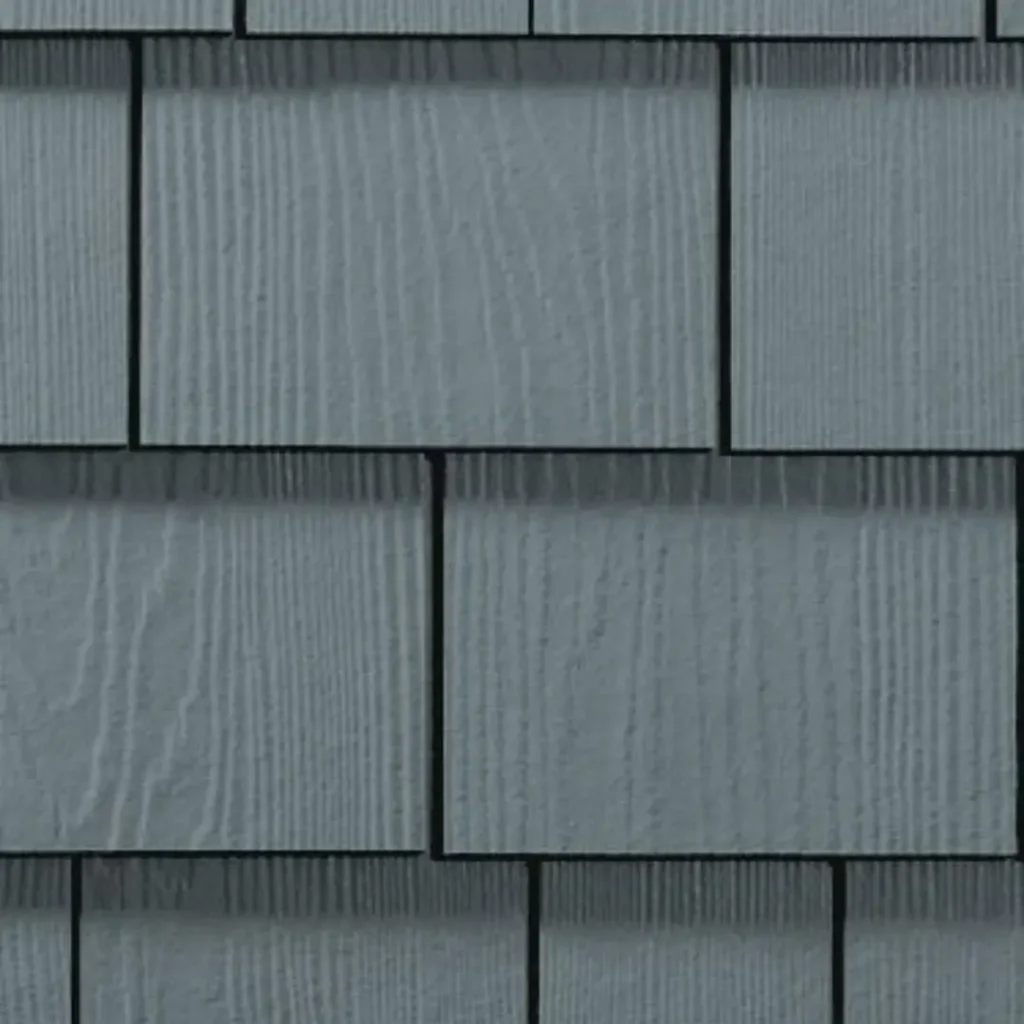
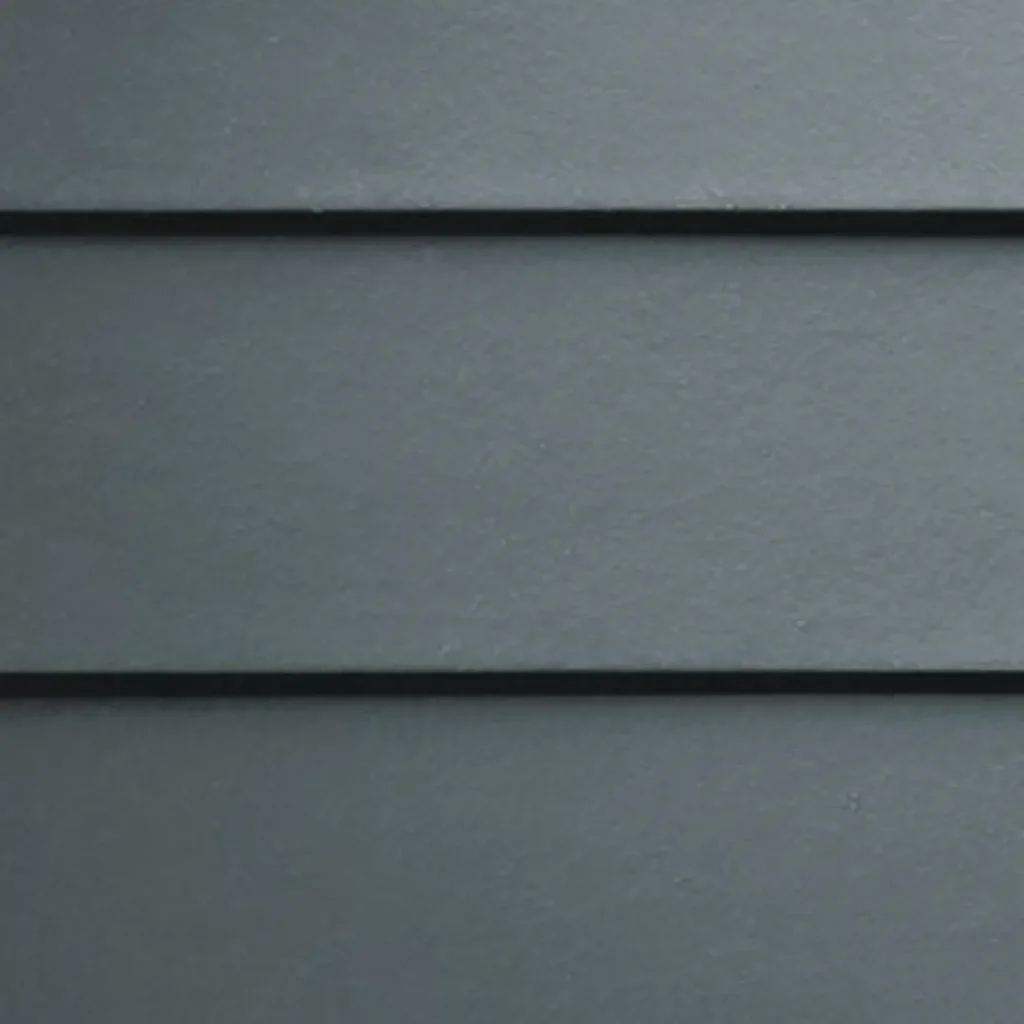
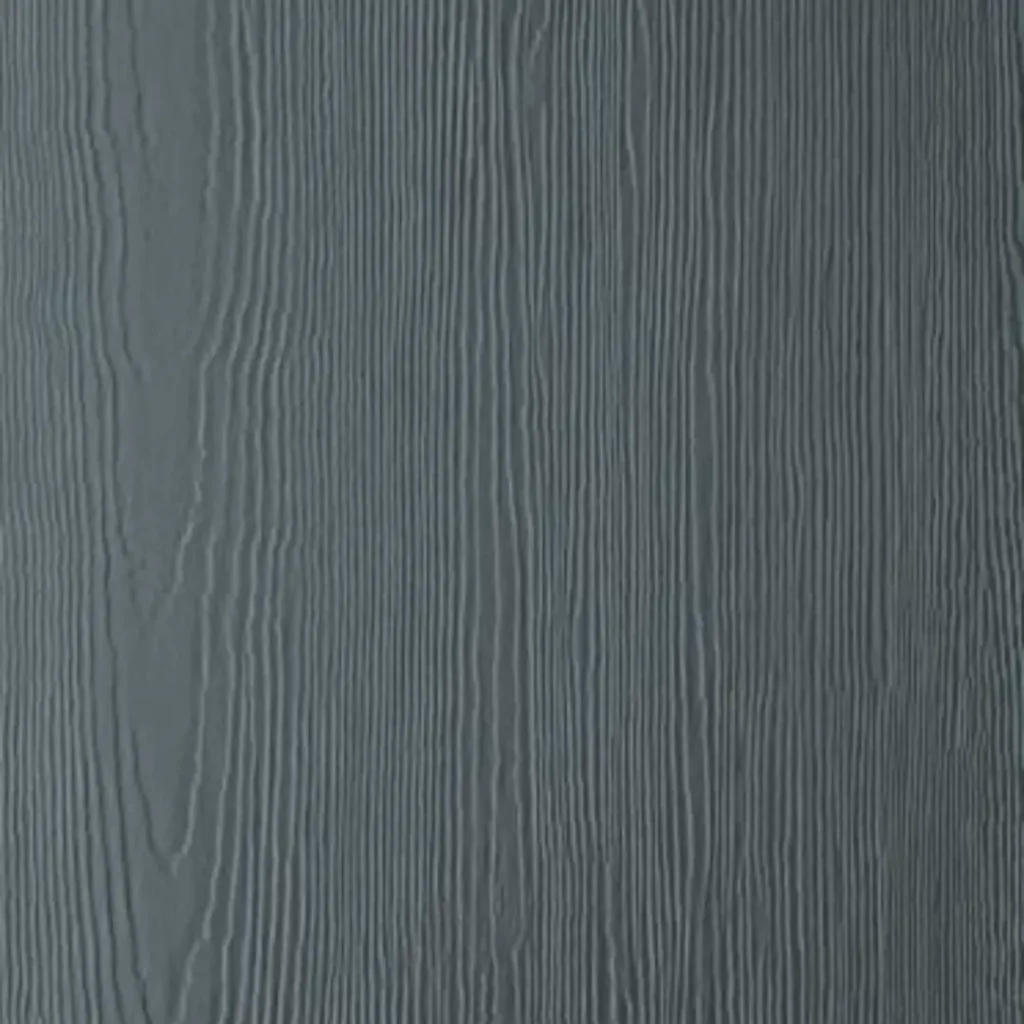
James Hardie offers lap siding, vertical panels, and shingle-style options that fit a wide range of architectural styles. Older homes often benefit from traditional lap or shingle designs that preserve character, while newer builds may lean toward clean-lined panels. This flexibility allows homeowners to update curb appeal without compromising the home’s original look. Color options also hold up well over time, helping homes maintain a polished appearance.
Installation, Warranties, and Choosing the Right Contractor
Why Professional Installation Matters
Fiber-cement siding performance depends heavily on proper installation. Its weight and fastening requirements mean experience matters. Working with a local contractor familiar with Indiana building conditions helps protect your investment and supports long-term durability.
Warranty Protection and Contractor Selection
James Hardie siding includes strong manufacturer warranties when installed by qualified professionals. Homeowners should look for contractors with local experience, clear communication, and a track record of siding projects in Central Indiana. Choosing the right installer plays a major role in how well the siding performs over time.
Is James Hardie Siding the Right Choice for Your Home?
For homeowners dealing with aging siding, storm damage, or increasing maintenance demands, James Hardie fiber-cement siding offers a durable and attractive solution. While the upfront cost may be higher than vinyl, its performance in Indiana weather and reduced long-term upkeep often make it a smart long-term option. If you’re weighing your choices, Moss Roofing in Central Indiana can help you evaluate your home’s condition, compare siding materials, and determine whether fiber-cement siding aligns with your budget and goals for your next exterior upgrade.
Journal of Light Construction. (2023). Cost vs. value report 2023. https://www.jlconline.com/cost-vs-value/2023/


