


You love your Indianapolis-area home but do not love your worn, old siding. Facing reality, you know you must select new siding soon. You’ve heard that fiber cement siding is a superior choice, but that leaves you wondering, how much does fiber cement siding cost? Six factors determine the final price of giving your home a facelift with beautiful, new fiber cement siding.
Repair Or Replace?
Early in your decision-making, you may wonder if your siding must be replaced or if it could be repaired. Wood siding can seldom be salvaged once rot and insect damage have taken their toll. Steel or aluminum siding may be dented beyond repair. Vinyl siding often distorts or sags over time, and repair becomes impossible. Most homeowners eventually come to grips with this harsh truth:
Replacing your siding is more economical over time than repairing existing but flawed siding.
Fresh, beautiful new siding gives your home a stunning new look, reinvigorating your property and boosting curb appeal. Nothing preserves or enhances home value like a nicely maintained, crisp, colorful exterior.
Six Factors To Consider When Replacing Siding
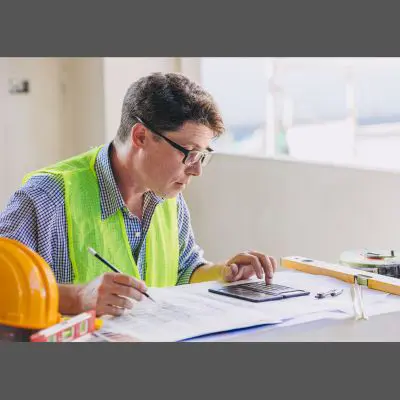
Whether you opt to replace your current siding with wood, vinyl, metal, or durable fiber cement siding from James Hardie, these six factors affect the bottom line:
- Your home’s square footage — It will typically cost more to replace siding on a larger house than one with a basic or traditional configuration.
- Your home’s architectural complexity — A sleek, modern ranch house has fewer gables, windows, corners, and edges than, for example, a Queen Ann Victorian home. Every exterior surface must be protected with foam backing, trim material, carefully cut miters, drip caps, channel supports, and starter supports.
- The siding material you select — The chosen material will alter the cost of replacing your siding. The more elaborate or detailed your choice of siding surface, the higher the cost to produce and install it. James Hardie fiber cement siding is an economical choice with several price points. It comes in plank lap, architectural panel, shingle, and vertical styles.
- Beneath the surface considerations — Housewrap, backer board, foam backing, or insulation may be needed beneath the siding’s surface layer. Your siding contractor can discuss your options to make the siding as energy-efficient as possible.
- Removal and disposal of existing siding — No siding product is designed to be installed over existing siding. Old siding must be removed and carted away. Depending on the extent of deterioration, your siding professional may need to remove the sublayers down to the exterior sheathing or even the studs if the damage is extensive.
- Labor expenses — Siding installation is not for a novice or DIYer. You need highly trained, skilled technicians to install the siding materials correctly. It is even more critical with advanced materials like fiber cement siding.
Maintenance Requirements For Siding
Future maintenance costs and your siding contractor’s estimate need to be calculated. Wood siding is expensive to preserve, requiring constant attention and regular repainting or restaining. Vinyl siding is relatively easy to clean but easily affected by high temperatures. It should never be pressure-washed and may promote mold and mildew growth.
Conversely, fiber cement siding hardly needs maintenance. A sound installation can provide decades of reliable, protective service. Periodically, you may need to clean the surface using a garden hose and soft brush. After decades, if the color begins fading, the surface is easily paintable without all the preparation needed for wood, vinyl, or steel.
Many homeowners prefer to tackle siding maintenance themselves, but that approach may not be safe or economical. Homes two or more stories tall become dangerous to access, especially if you choose to climb a ladder. You may need to hire a professional cleaning service annually (or semiannually) for your wood, vinyl, or steel siding.
Environmental Aspects Of Replacement
Another aspect to consider is the embedded energy and environmental costs of the material you select. Removing old siding creates a carting and landfill concern without adding value to our planet.
Vinyl siding is manufactured from petroleum, a fossil fuel. While recyclable, steel siding also requires tremendous amounts of energy to produce. Fiber cement siding is made from basic, easily obtainable, natural materials, including silica sand, cellulose wood fiber, Portland cement, proprietary additives, and water.
When comparing longevity, fiber cement siding typically outlasts wood siding by up to three times, meaning you could invest in several wood siding replacements in the life of one fiber cement siding installation.
Replacing Old Siding With New Fiber Cement
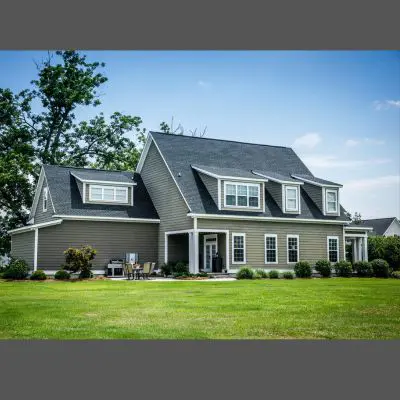
Since fiber cement siding is made from simple substances, its cost does not fluctuate as much as building materials linked to fossil fuels, such as vinyl siding. That consideration means replacing old siding with fresh fiber cement siding (a once-in-50-year occurrence) will not financially pinch an Indianapolis homeowner in the long run.
At Moss Roofing, we offer a complete menu of roofing services, but we also expertly and efficiently install beautiful James Hardie fiber cement siding to make your Indianapolis-area home a showpiece in your neighborhood!
Contact Moss Roofing today for all your siding needs.


